Portfolio
Past & Current Projects
Current Projects
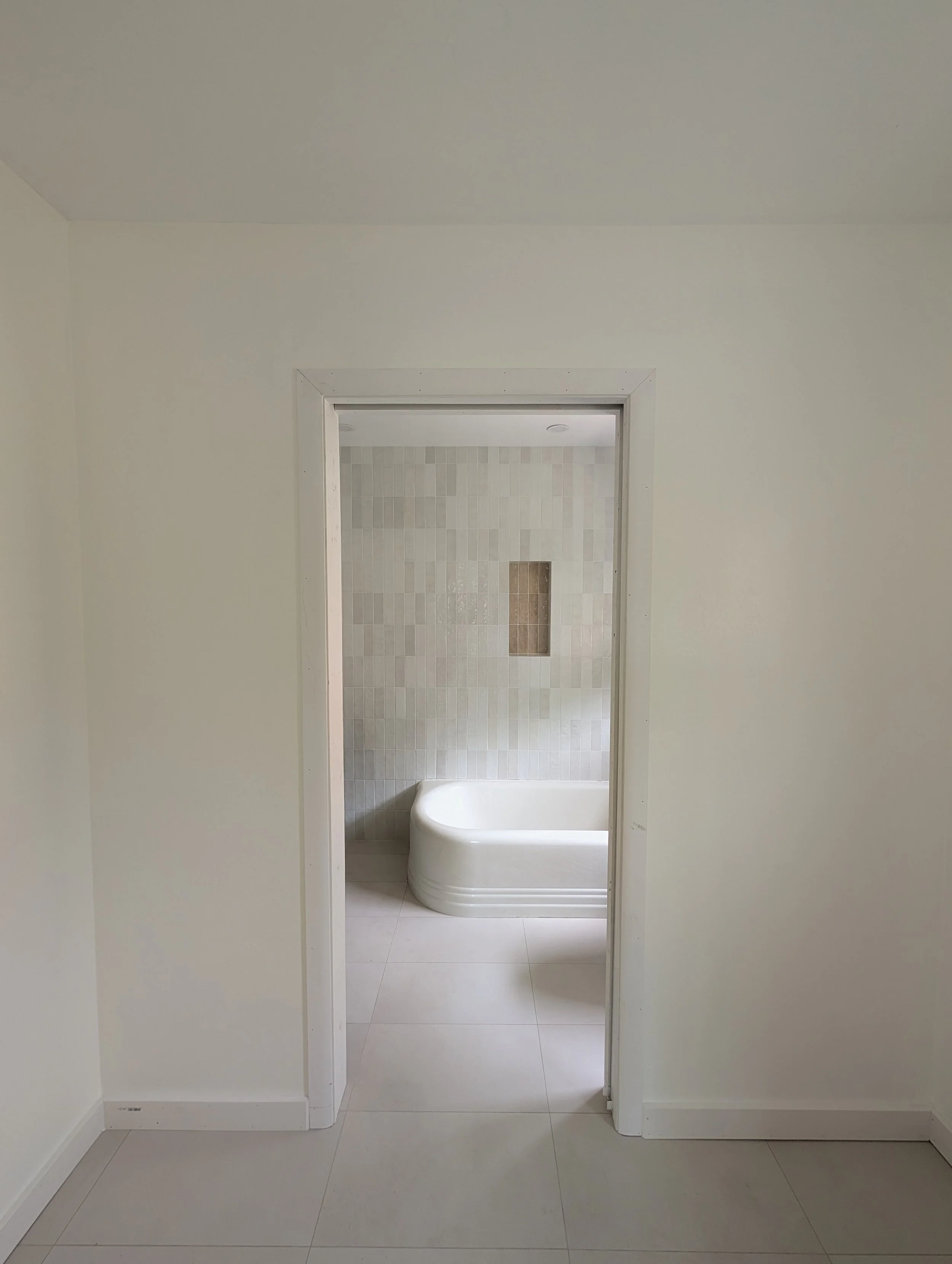
Talmadge
construction completed
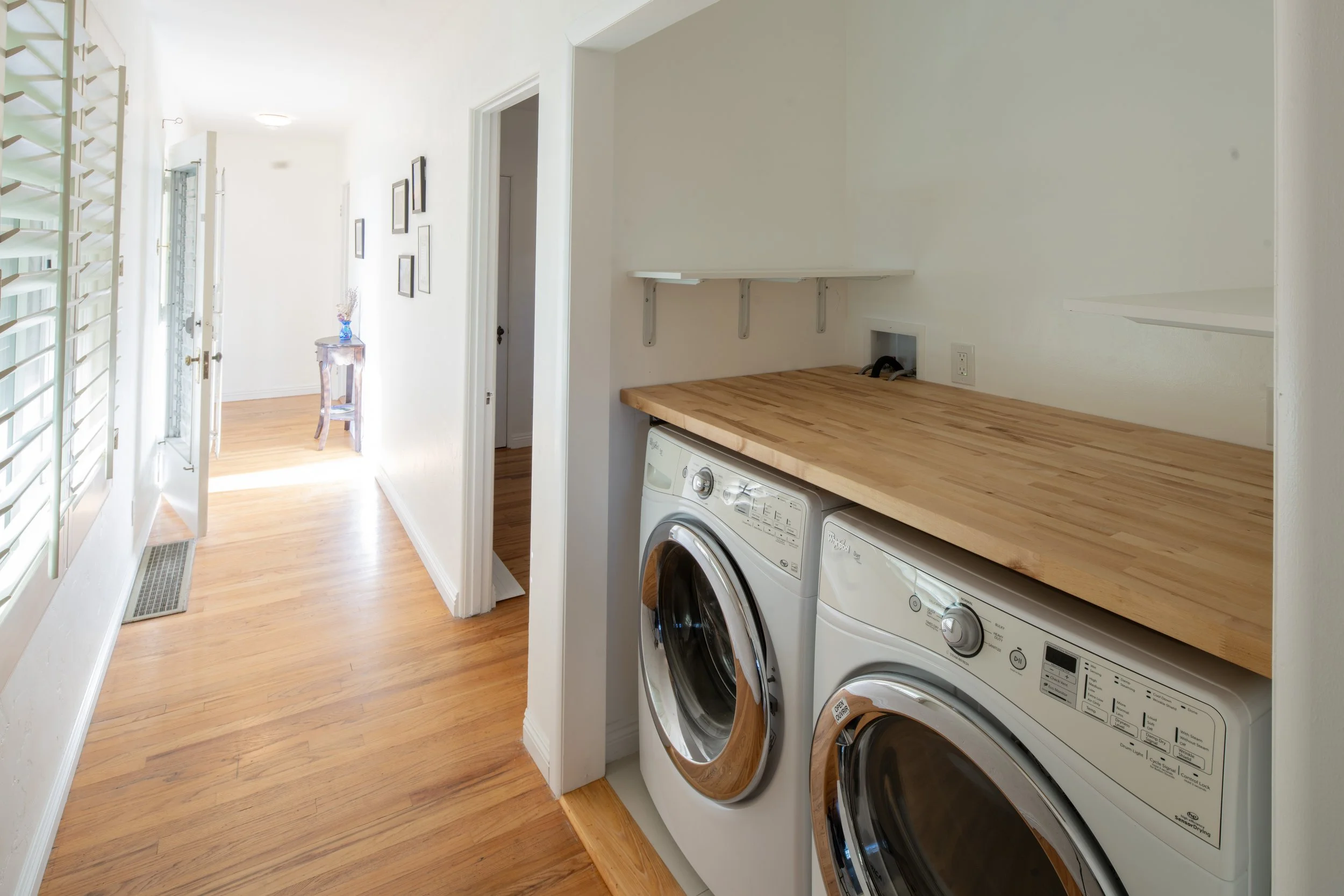
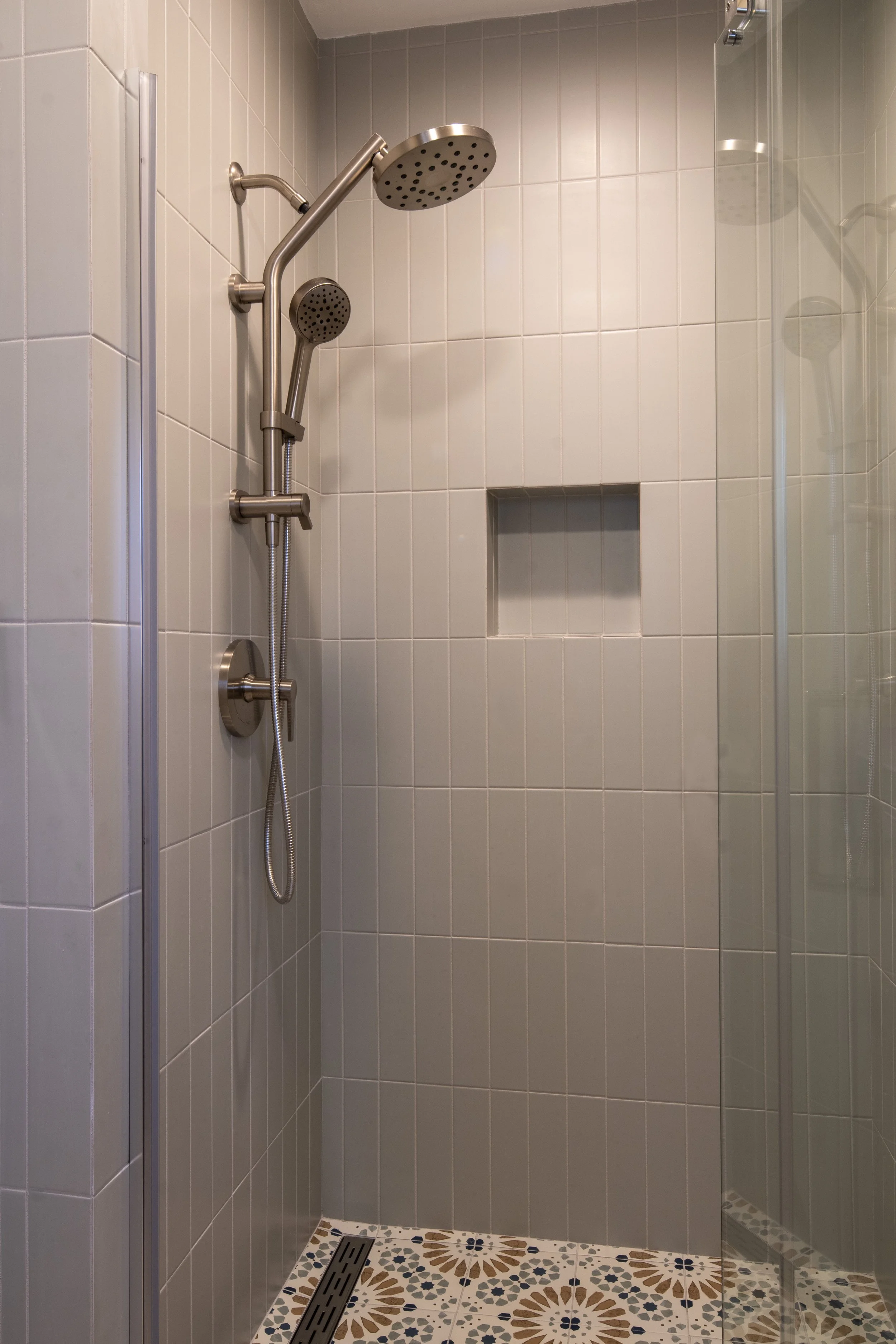
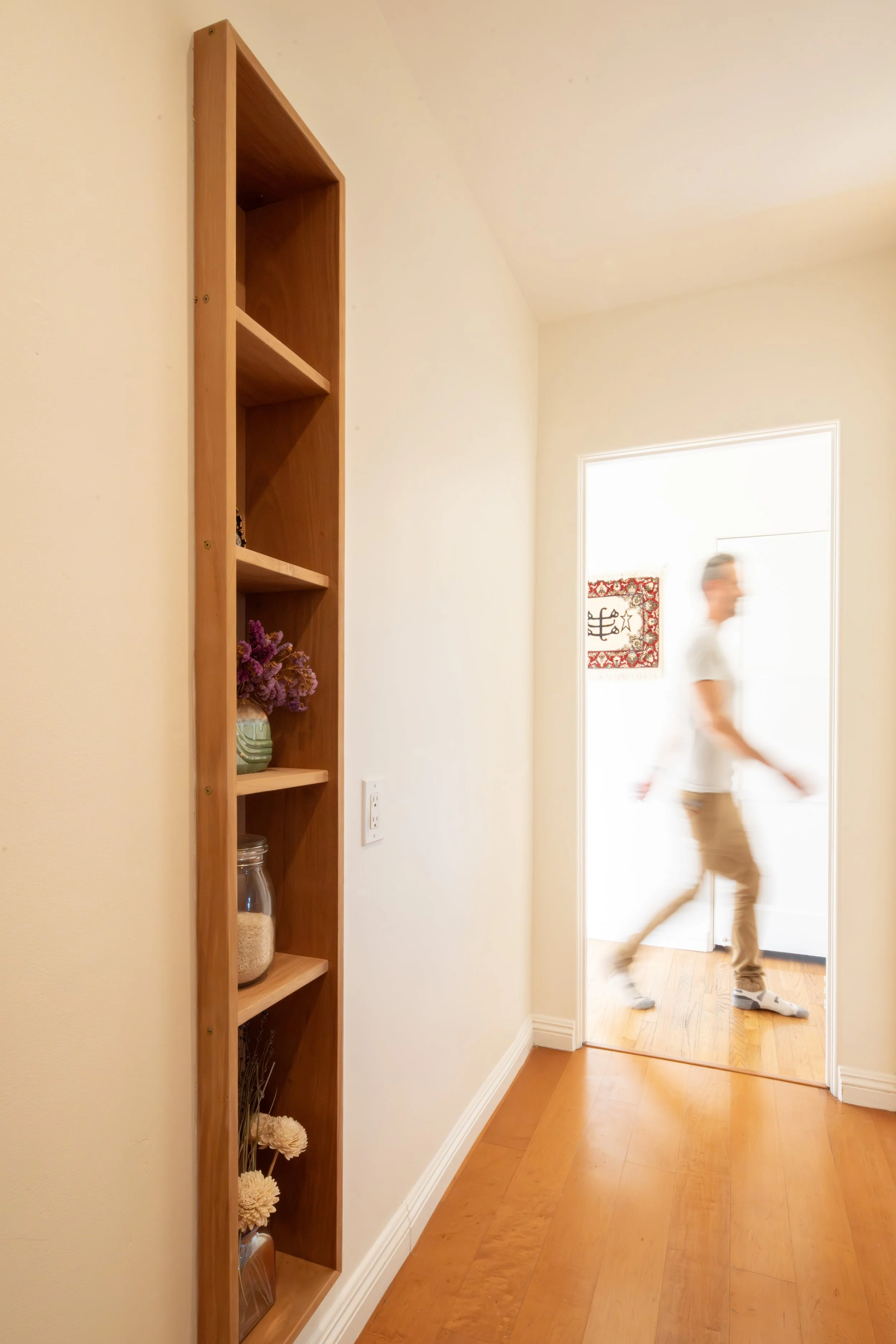
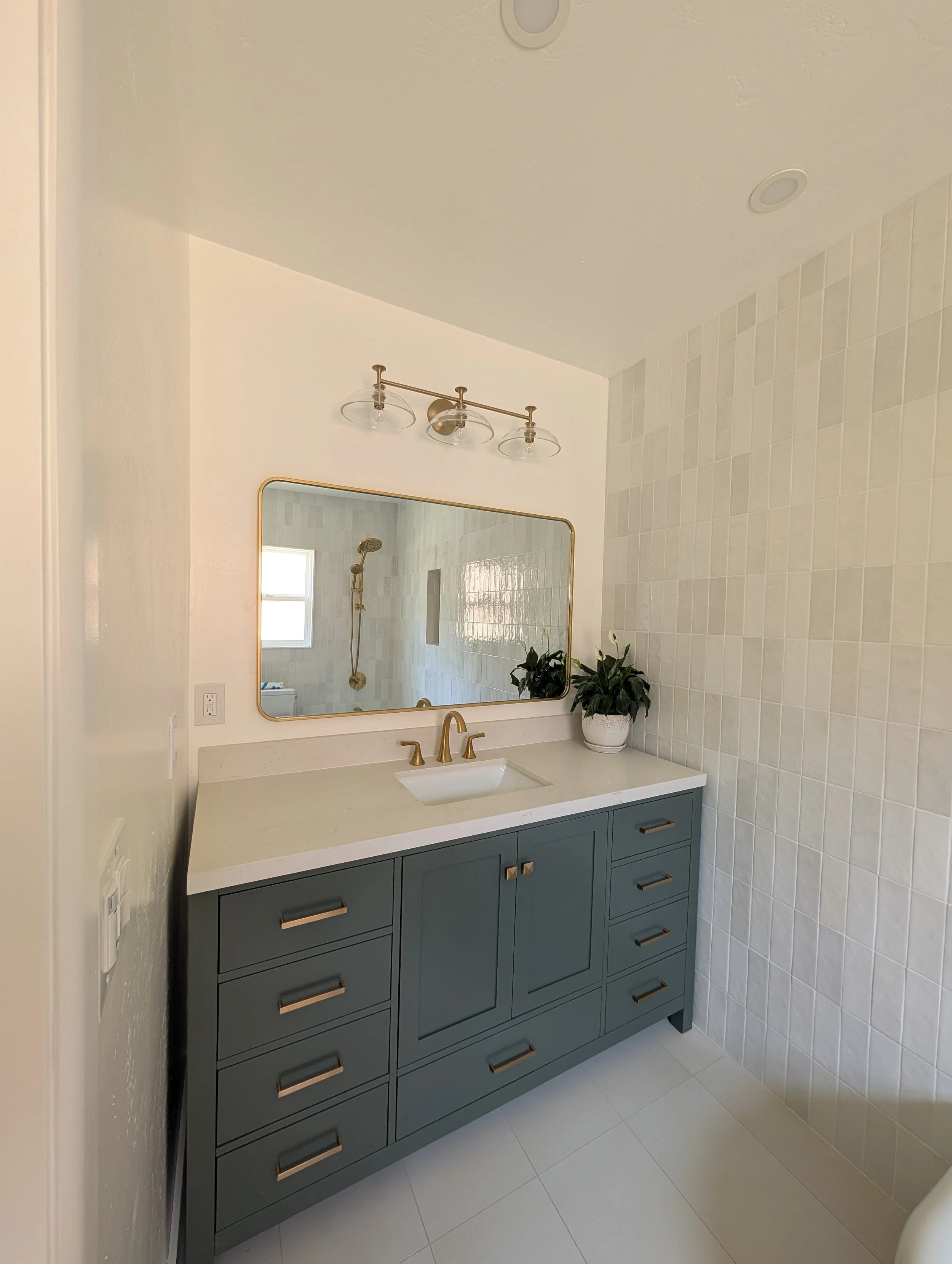
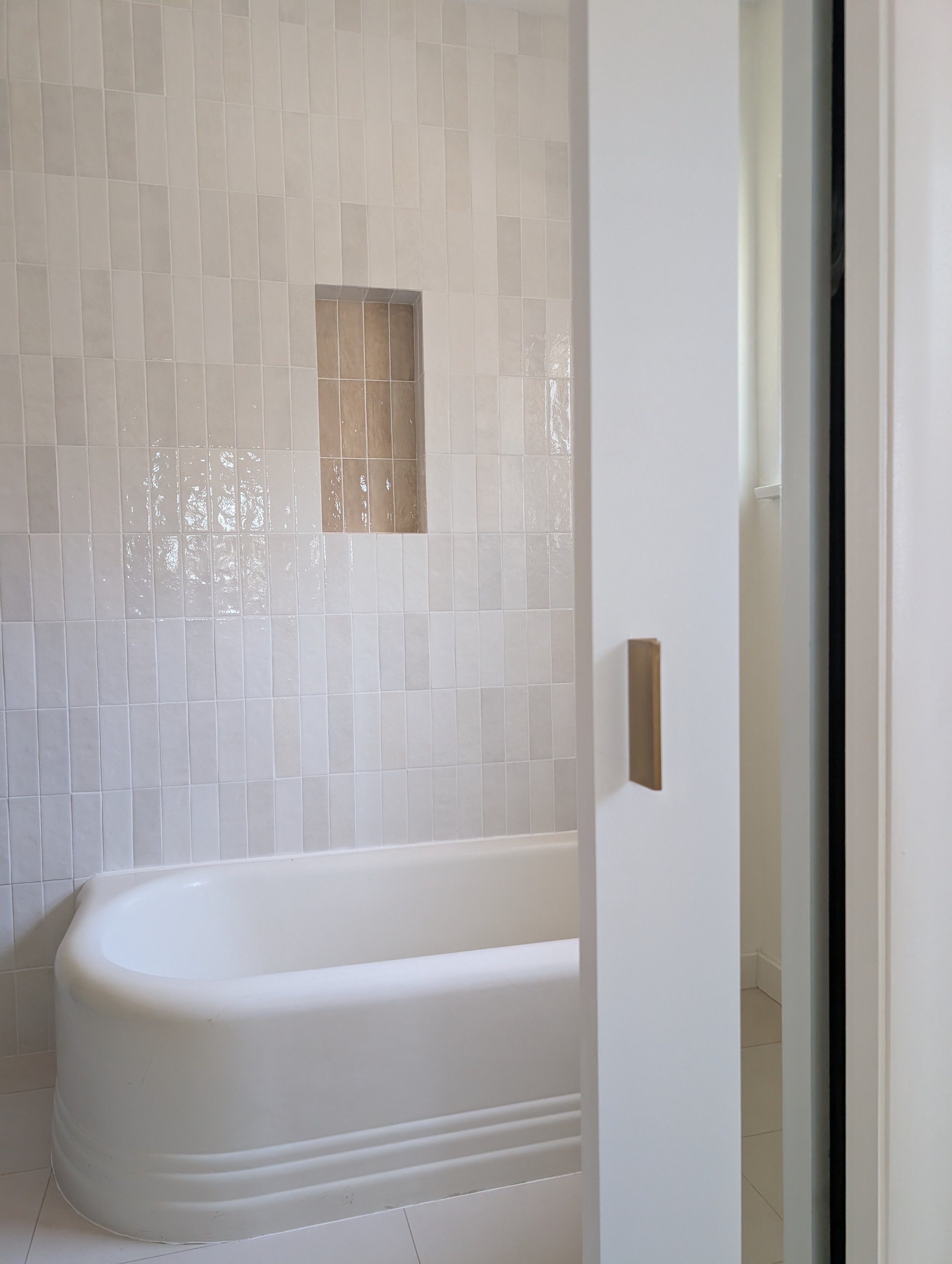
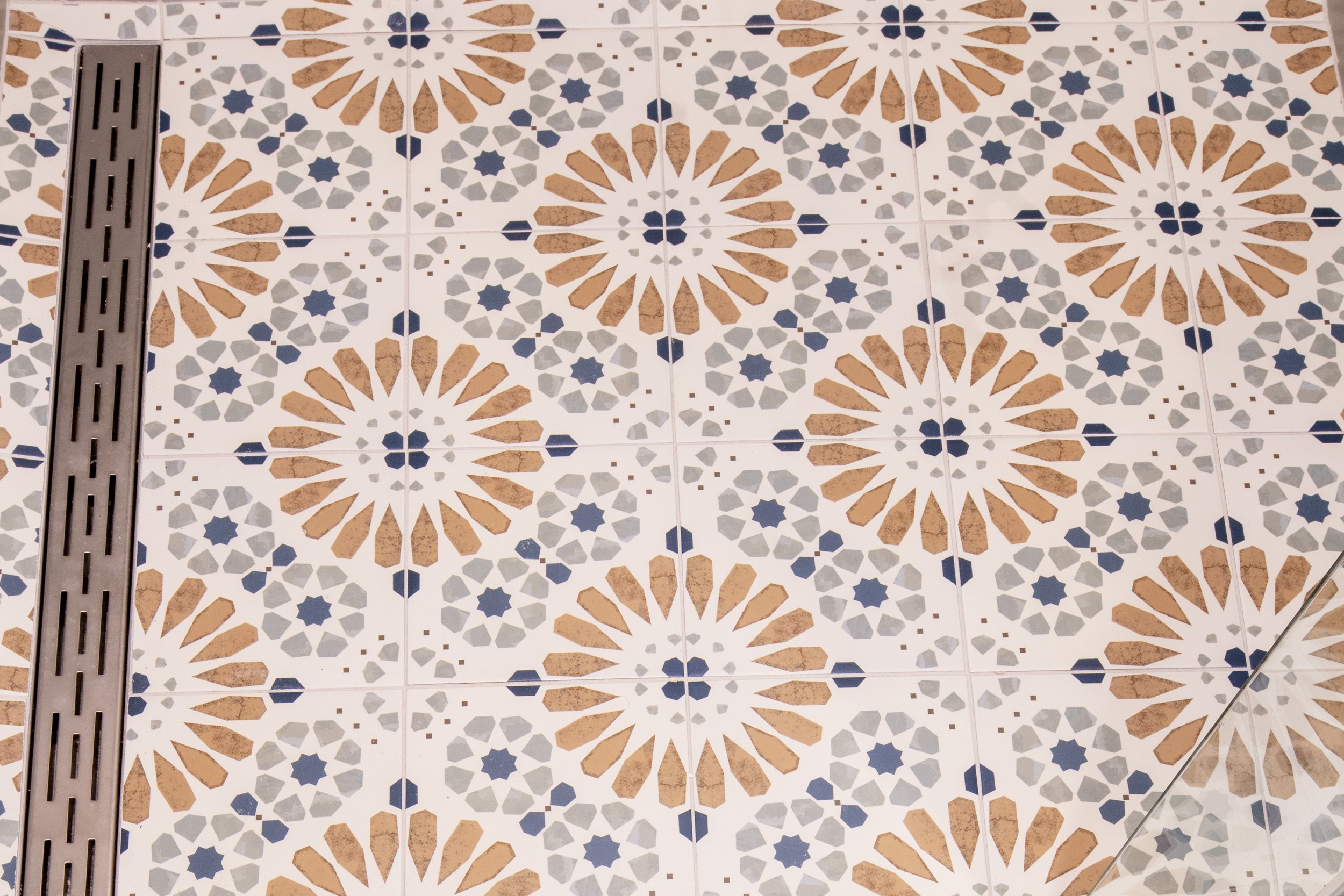
When our clients came to us, their objective was not merely to renovate, but to elevate the livability of their home. Through the transformation of both the guest and primary bathrooms, they sought to express their distinct design sensibilities while introducing long-missing functionality. The redesign significantly improves spatial flow and clarity, allowing each area to function with greater purpose and cohesion. Selective removal of existing walls, paired with the introduction of a carefully considered layout, results in a space that is more intuitive, refined, and highly livable—enhancing both aesthetic presence and storage capacity. Complemented by modern fixtures, thoughtfully integrated lighting, and comprehensive upgrades to the home’s nearly century-old electrical, plumbing, and ventilation systems, the renovation positions the home to perform with seamless efficiency and relevance for decades to come.
finalized in May 2026
Cinder|Shack
in permitting phase
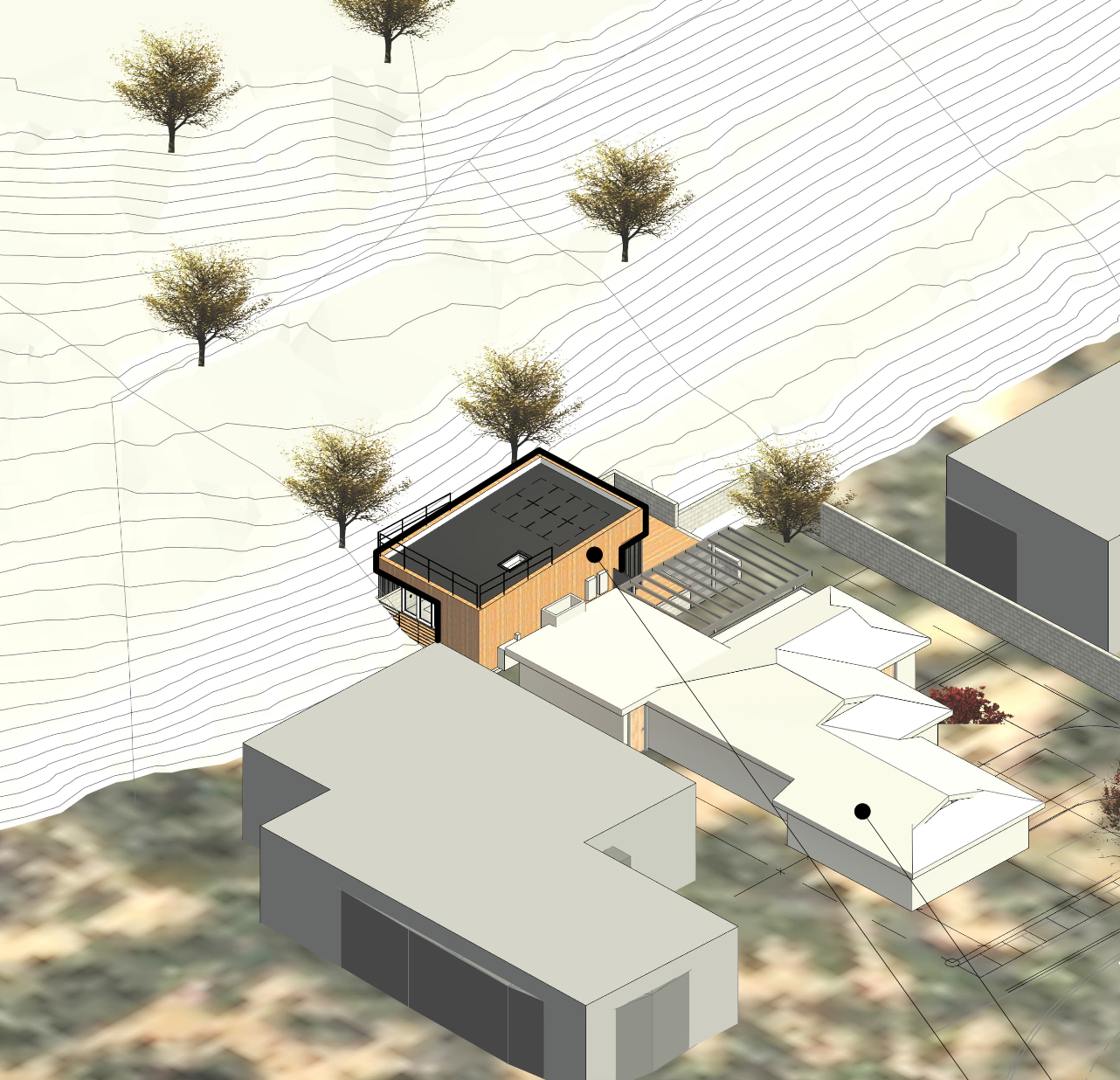
The combination of the two words CINDER | SHACK opens the imagination to many ideas.
Definitions:
Cinder - A small piece of charred material that has stopped giving off flames
Shack - A very simple and small building made from pieces of wood, metal, or other materials
Cinder represents the transformation from one state to another, and the ephemeral nature associated with a material transcending states. It serves as a reminder of how fragile our environment can be, and how, in the blink of an eye, matter can transform states from wood to char to ash and ultimately to its return back to the earth.
Shack is a deliberate rejection of the expectations embedded in words like house or dwelling. Rather than implying a conventional enclosure, it frames the structure as a modest, elemental presence within its landscape—adaptable, unpretentious, and quietly intimate. The term invites a sense of simplicity and imagination, suggesting a space that prioritizes essential comfort, natural light, and material connection over excess.
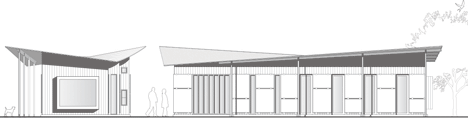
At the same time, it stands in contrast to the increasingly unaffordable housing that defines much of California today, recalling an earlier San Diego shaped by informal surf shacks and understated living. The stack-bond CMU nods to California modernism while emphasizing durability and material honesty, and the color palette draws from the surrounding canyon soils and flora. Located within a High Fire Hazard Zone, the Cinder|Shack is ultimately an exercise in resilience—employing fire-rated assemblies and non-combustible materials to respond directly to the environmental realities of its setting.
expected construction start 2026
Long Beach
in permitting phase
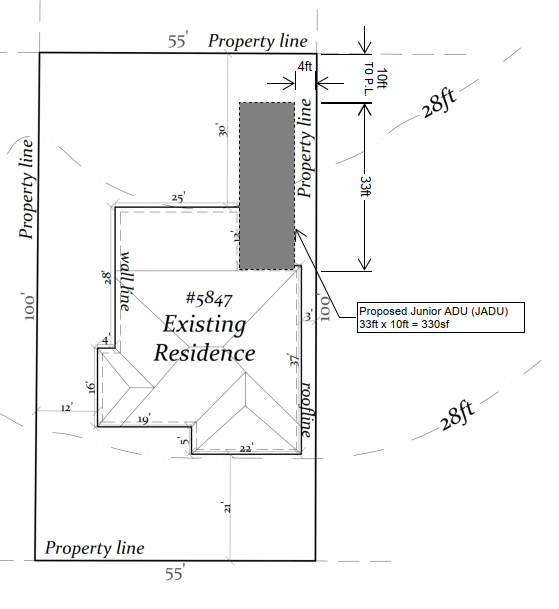
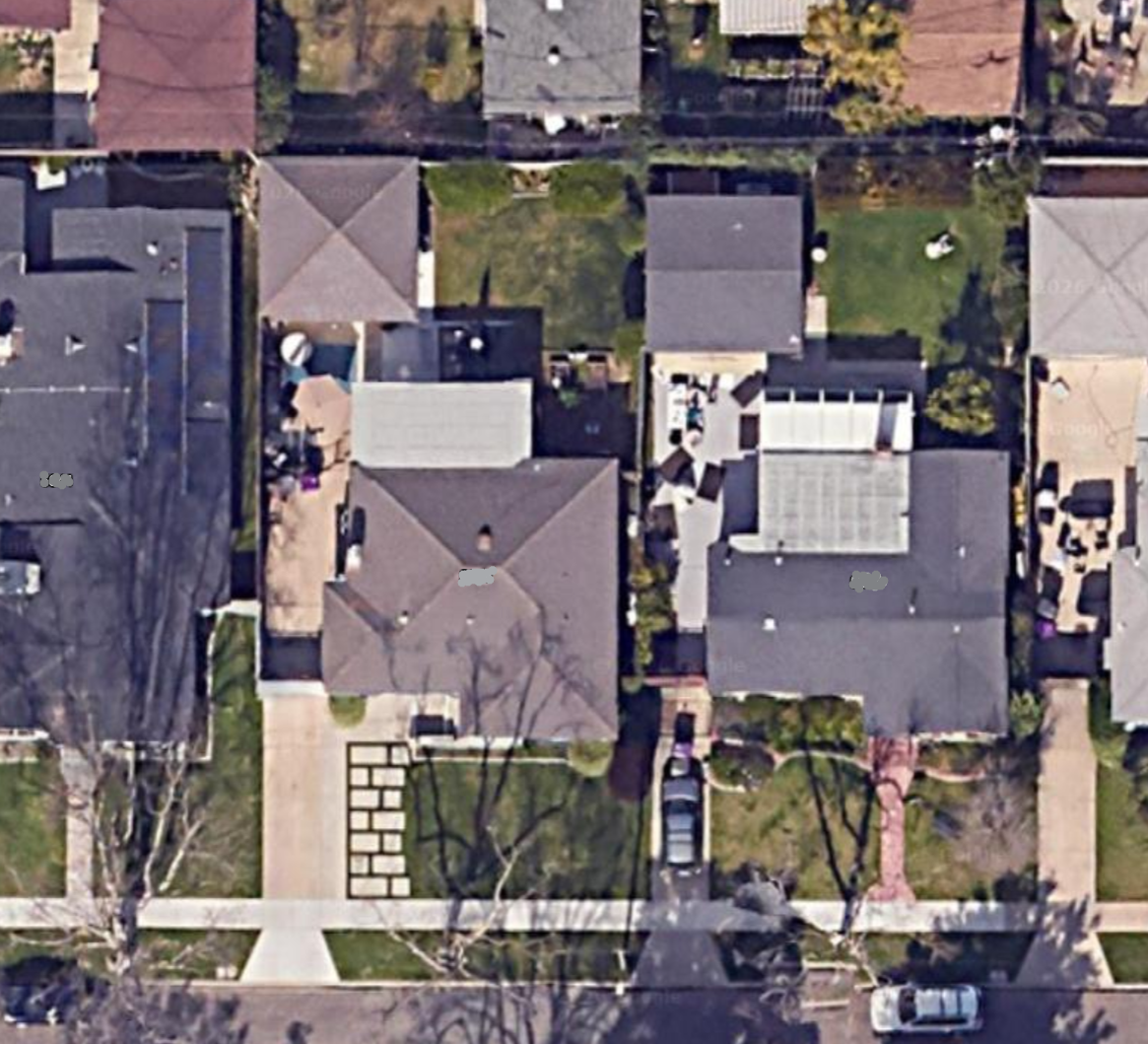
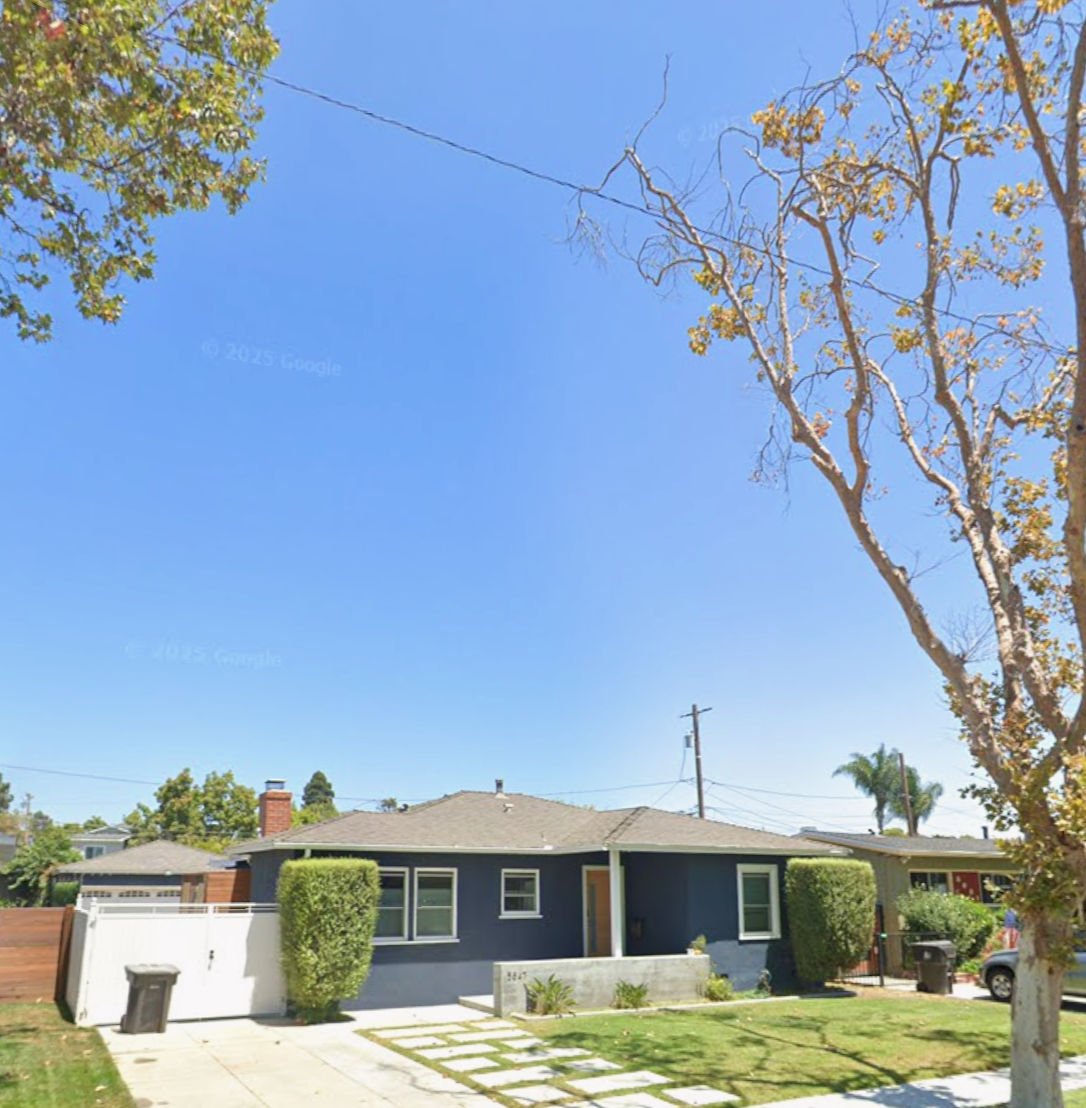
These clients in Long beach are looking for a Junior ADU that would make better use of their home without overcomplicating it. The goal was to create a small, comfortable space that felt connected to the main house but still offered privacy and independence. By being intentional about every square foot, the design makes the most of a compact footprint—bringing in natural light, adding smart storage, and keeping the space flexible for different uses. The materials are simple, durable, and suited to the coastal environment. The result is a practical, well-designed addition that fits seamlessly into the home while adding long-term value and flexibility.
Past Projects
NAKAI
in collaboration with Design Build Bluff at University of Colorado Denver
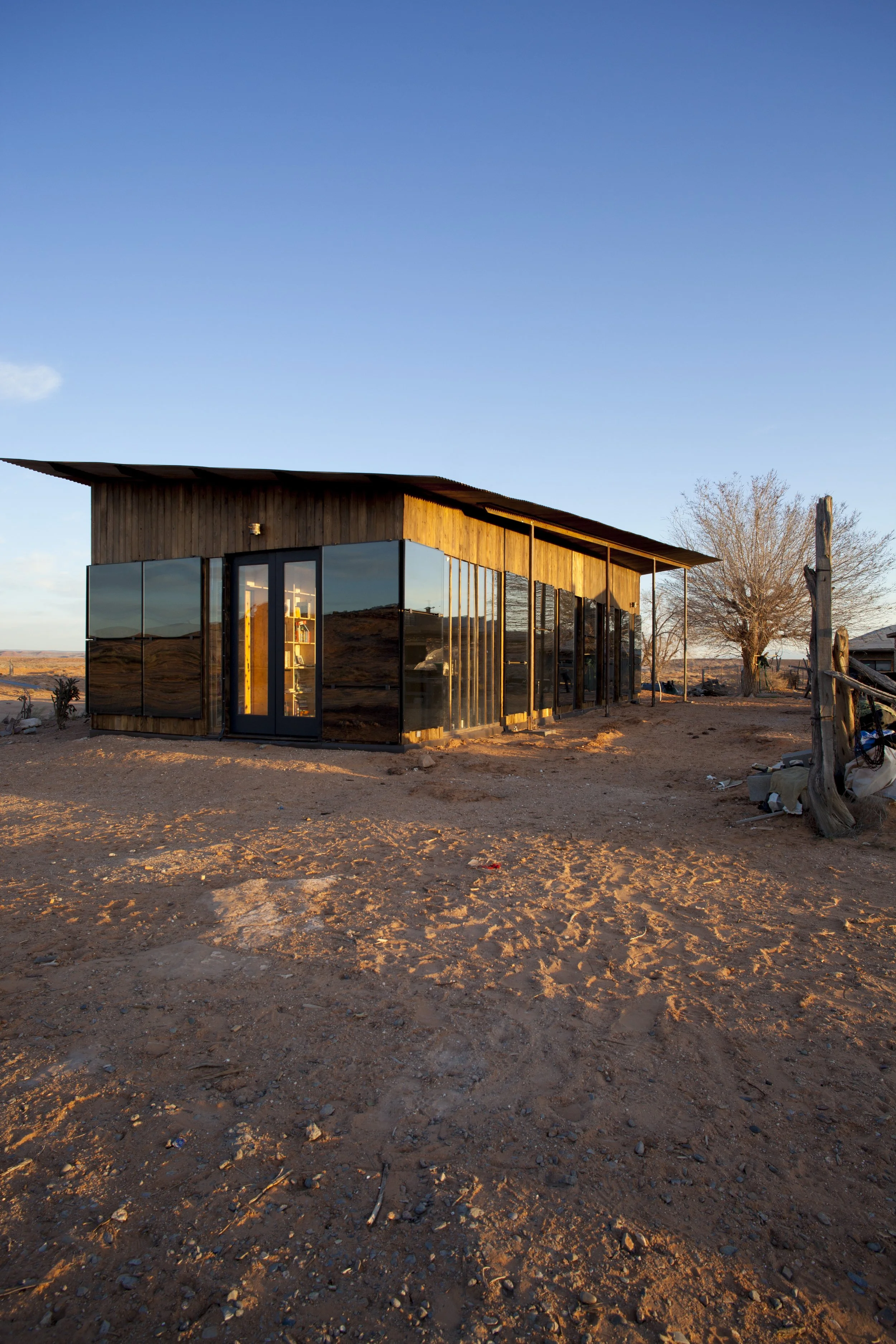
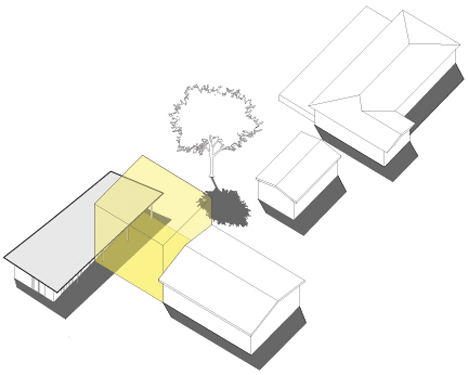
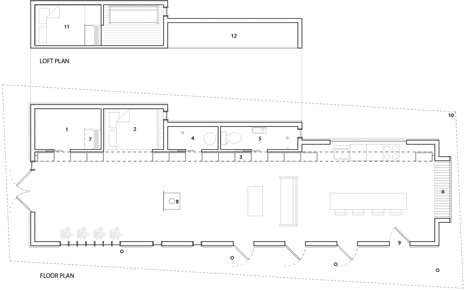
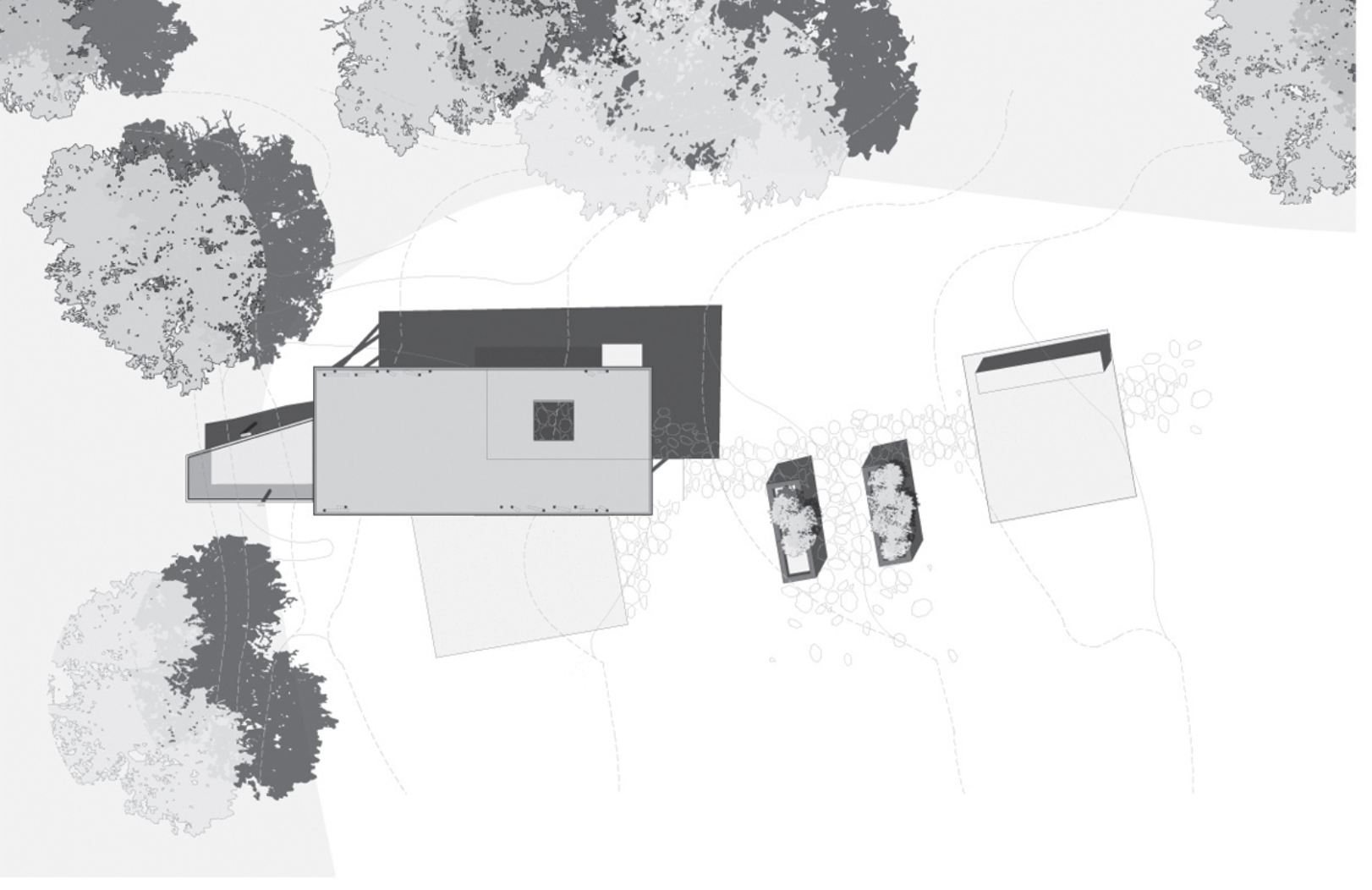
Set within the vast openness of the Utah desert, the project began with a simple but thoughtful move: working with three existing structures and a lone tree, the team positioned the new building to shape a protected communal courtyard. This outdoor room became the heart of the project—open to the south to capture cool summer breezes, while the building itself buffers the space from harsh western winds in the winter.
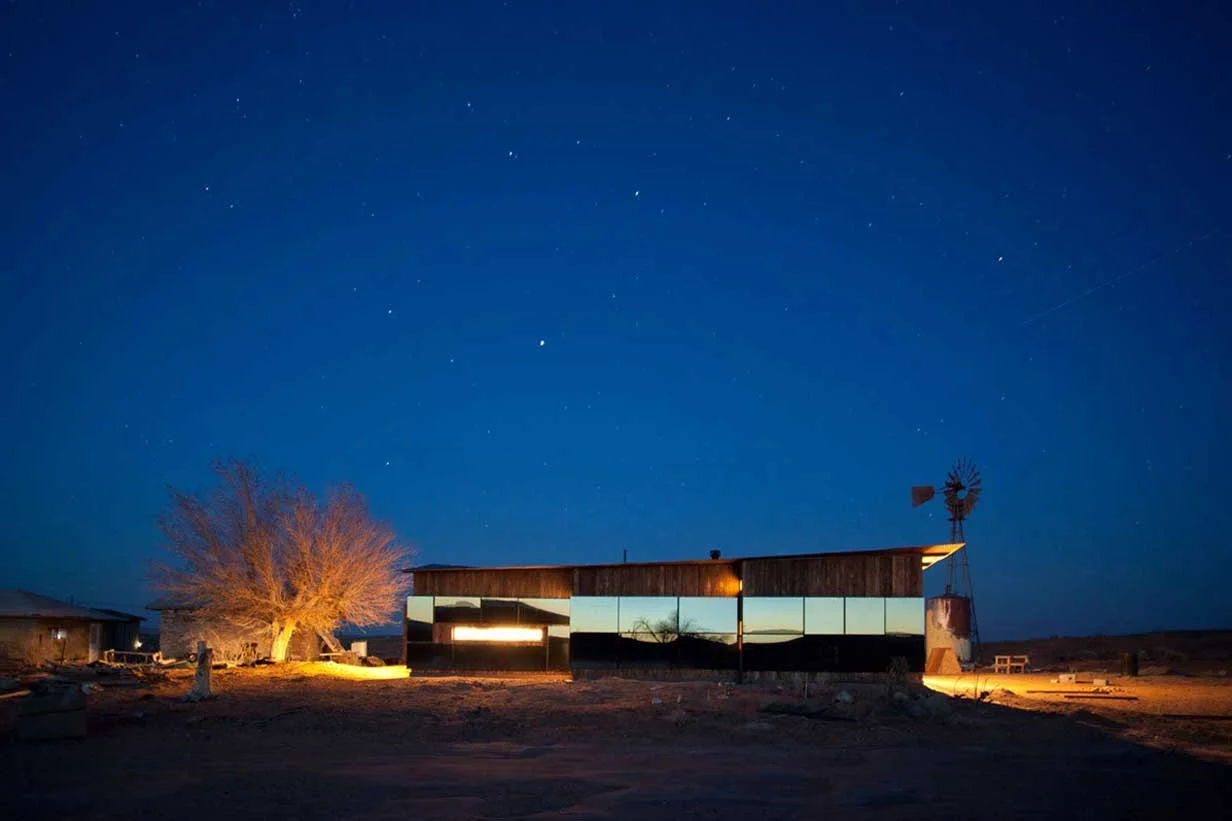
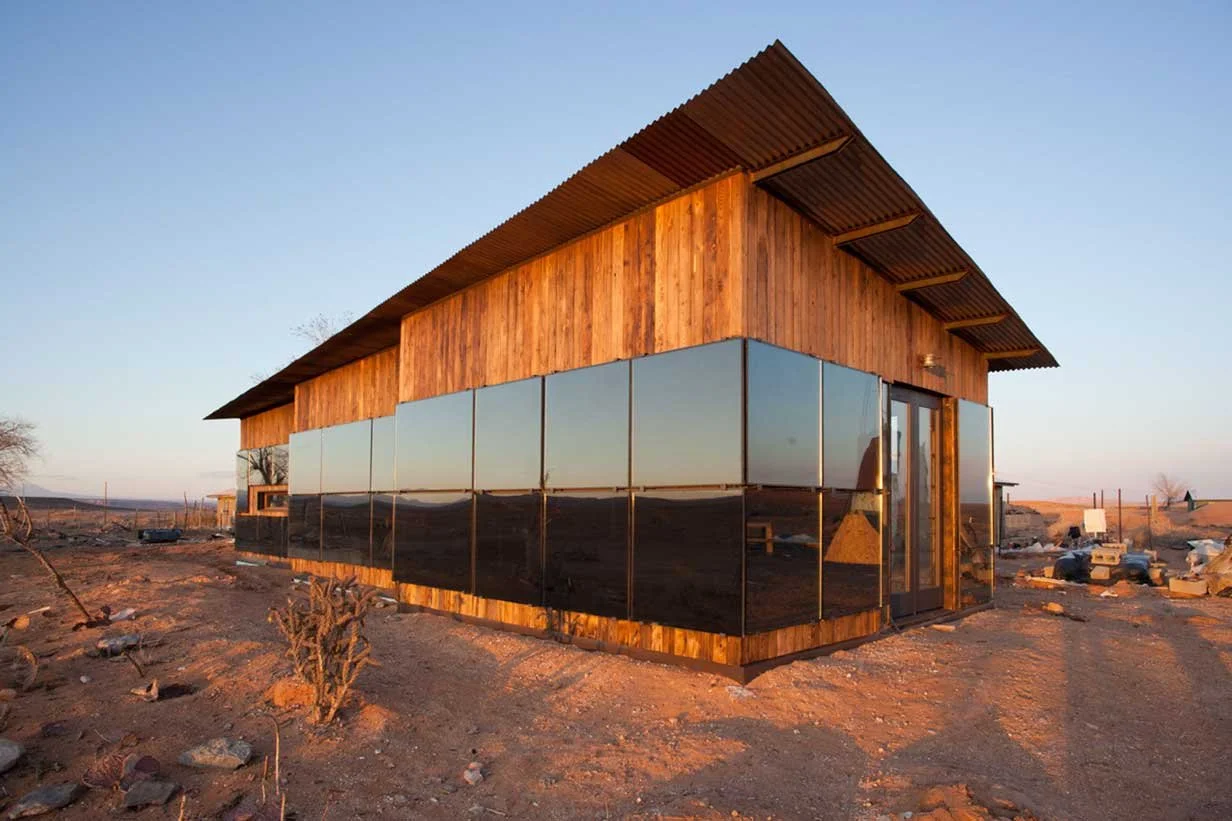
The home responds closely to both landscape and culture. Its long, narrow form stretches across the site, with the roof subtly lifting toward a tree to the northeast and a hill to the southwest, echoing the surrounding terrain. The exterior combines timber with panels of recycled glass, which reflect the desert landscape and nearby historic homes while also shielding the structure from sun and wind.
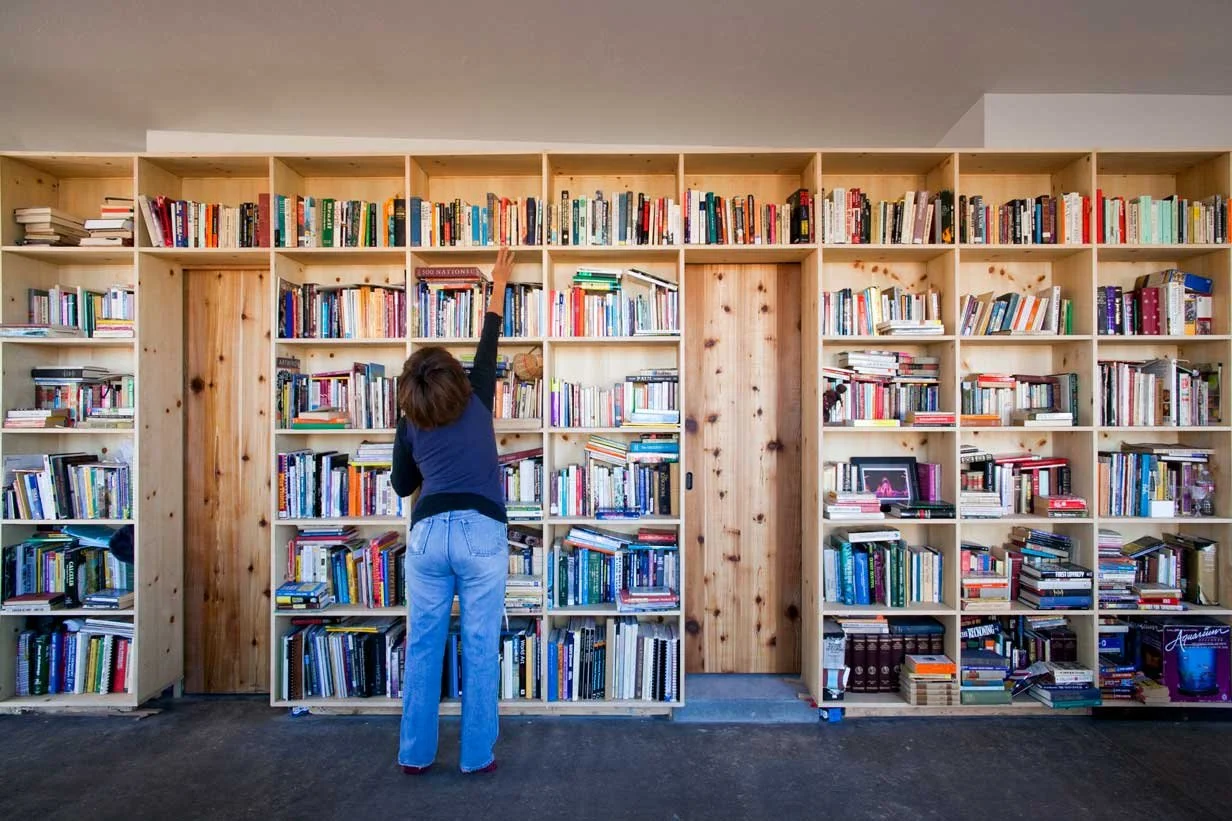
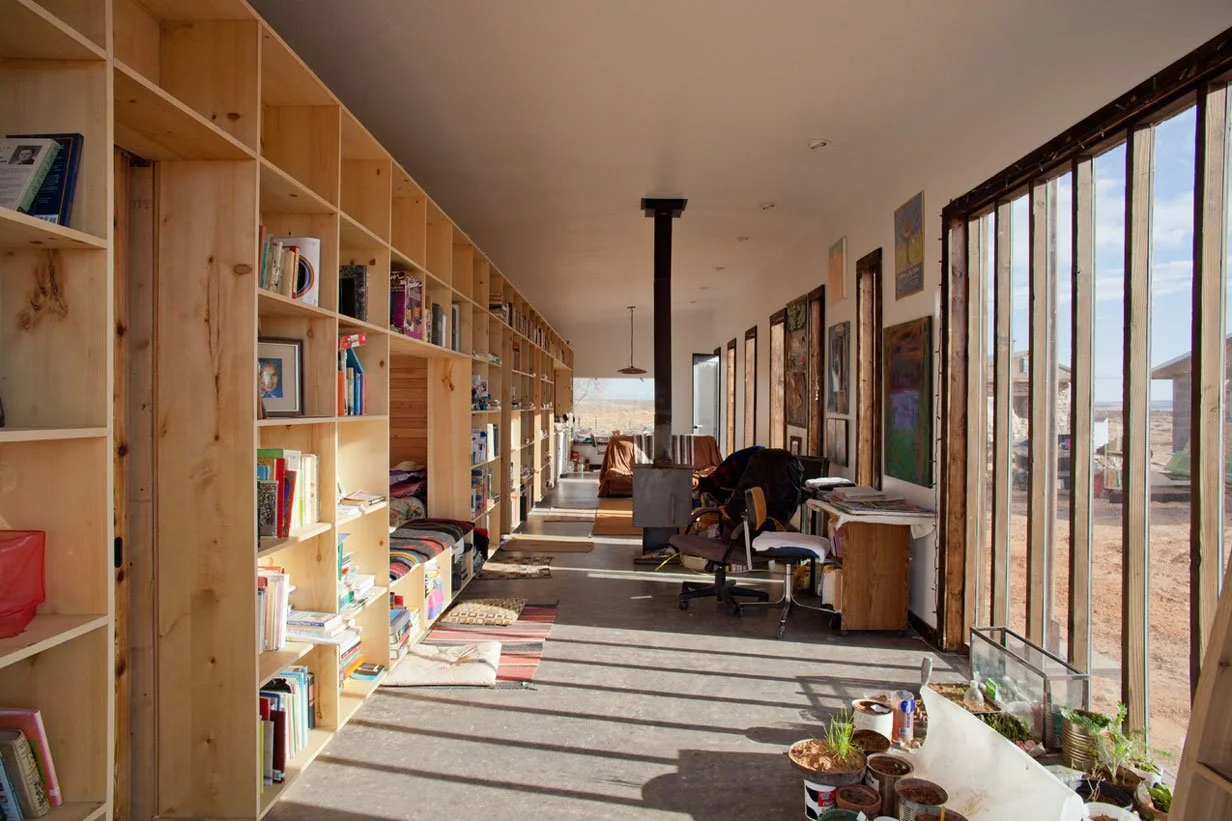
Inside, the home is organized around a single, continuous gesture: a 50-foot-long bookcase that runs the length of the interior. More than storage, it serves as kitchen, display, and sleeping nook, while also creating a threshold that conceals more private spaces behind it. At its northern end, the bookcase gives way to a cantilevered window seat tucked beneath the site’s only tree—a quiet place to read and take in the landscape.
Opposite this wall, an 11-foot-wide open space accommodates daily life. A central fireplace—an element deeply rooted in Navajo tradition—anchors the interior, gently dividing areas for living, dining, cooking, and making art. Large openings to the south and east allow for natural light and cross-ventilation, while a projecting window to the north frames long views across the desert.
The result is a modest yet carefully considered dwelling—one that weaves together climate, culture, and craft to create a home that feels both grounded in its place and deeply personal for the owner.
Notable Publications:
photos courtesy of James Anderson
Bird Pavilion
in collaboration with University of Colorado Denver
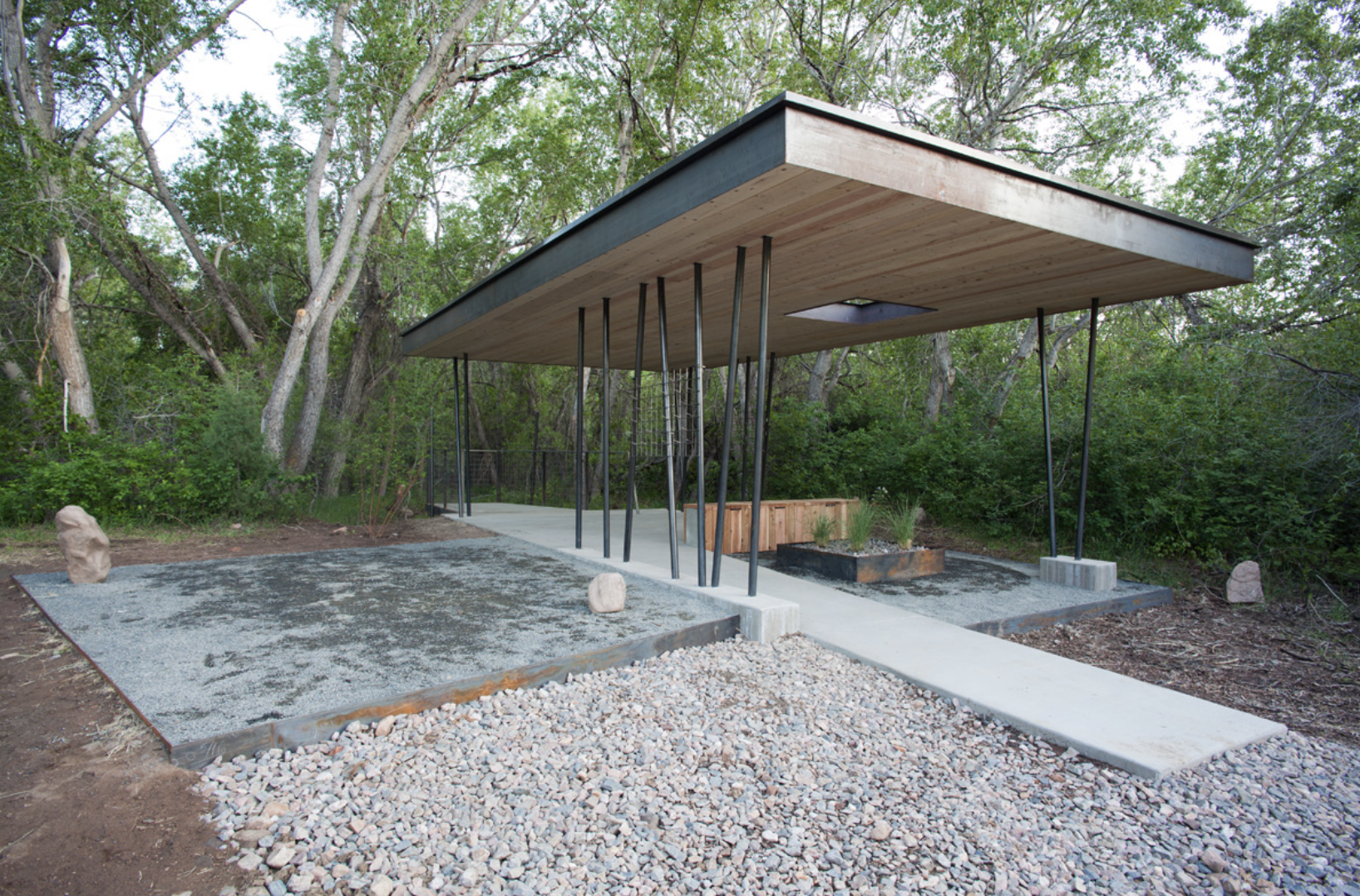
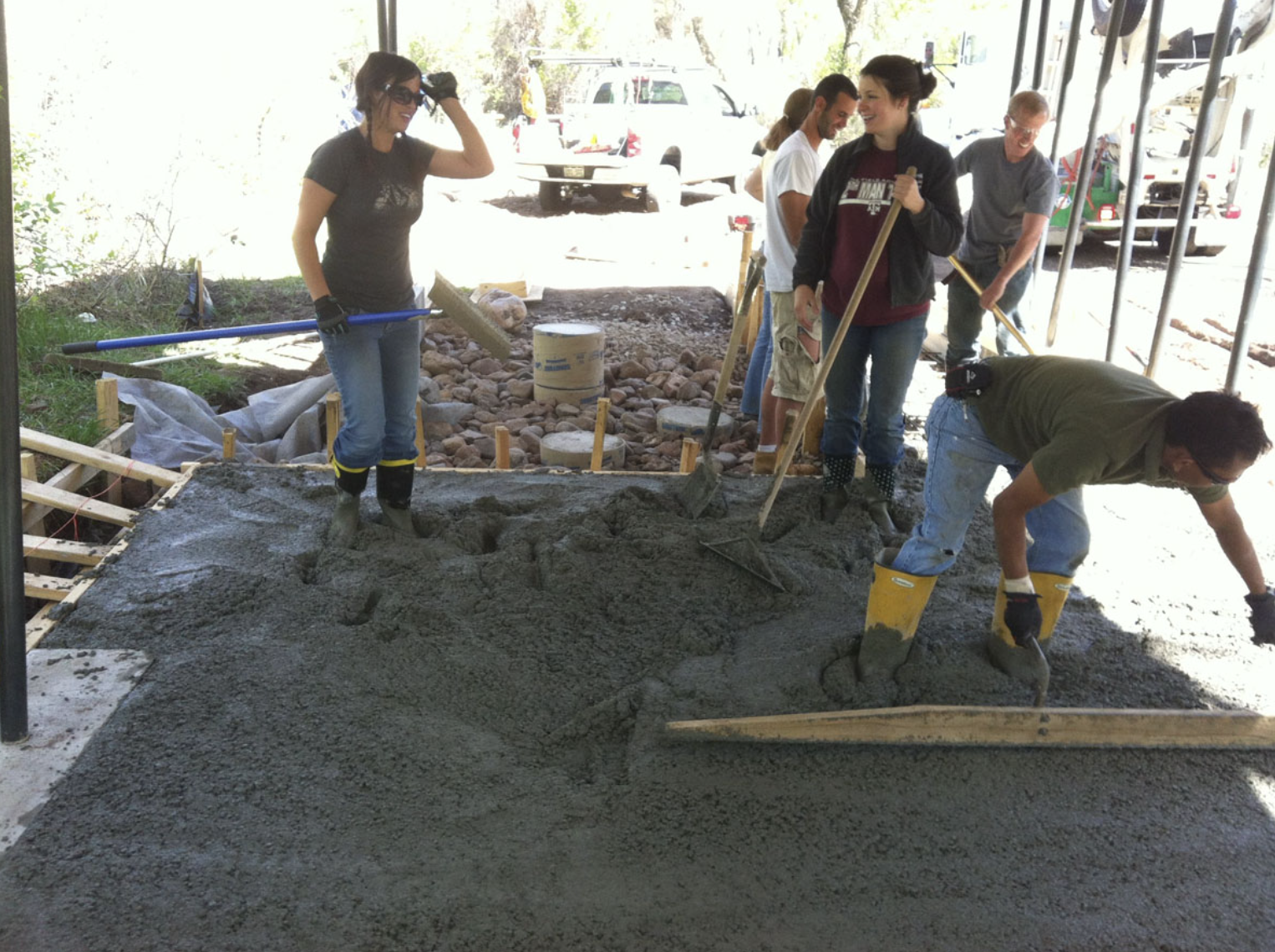
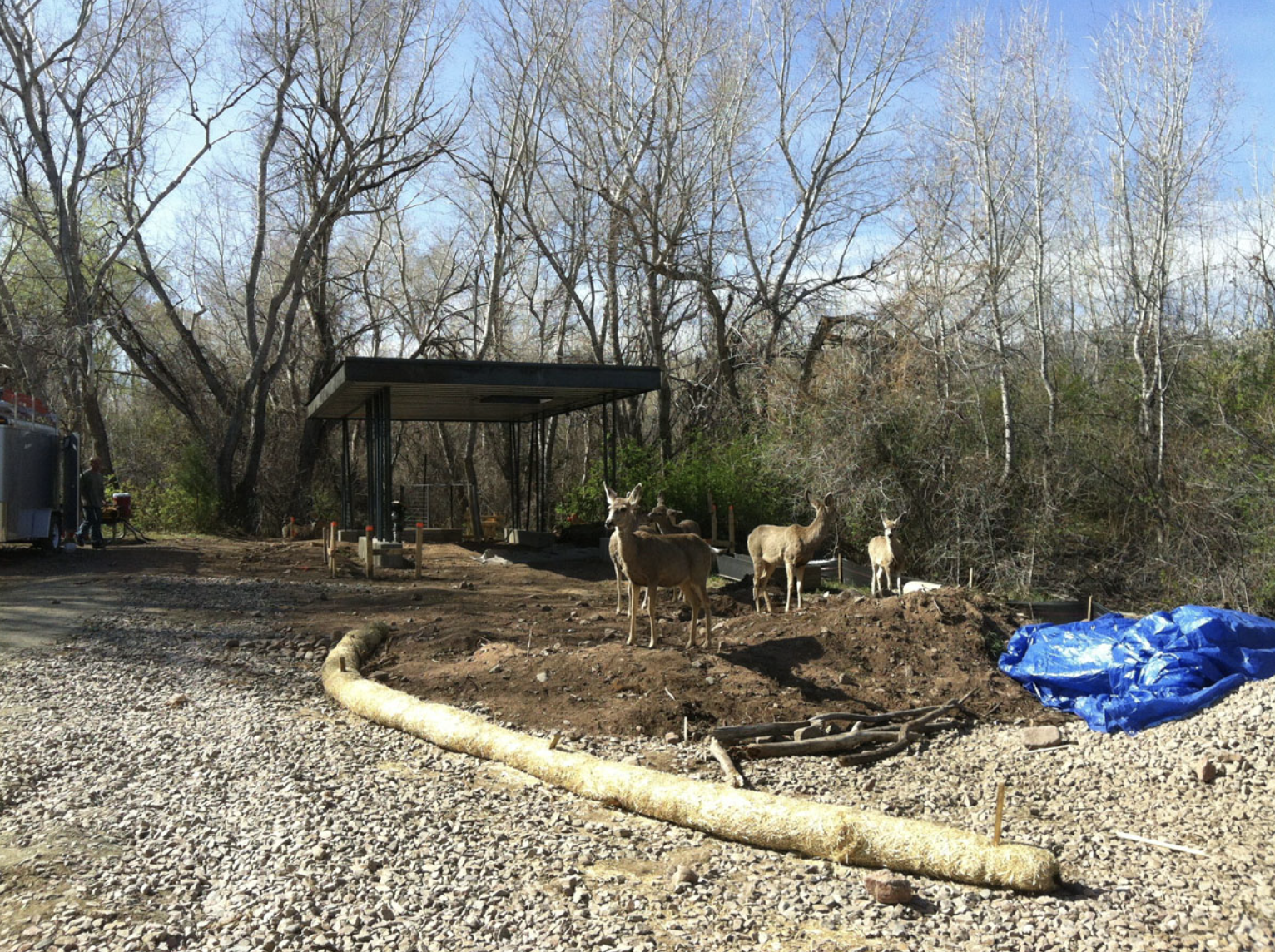
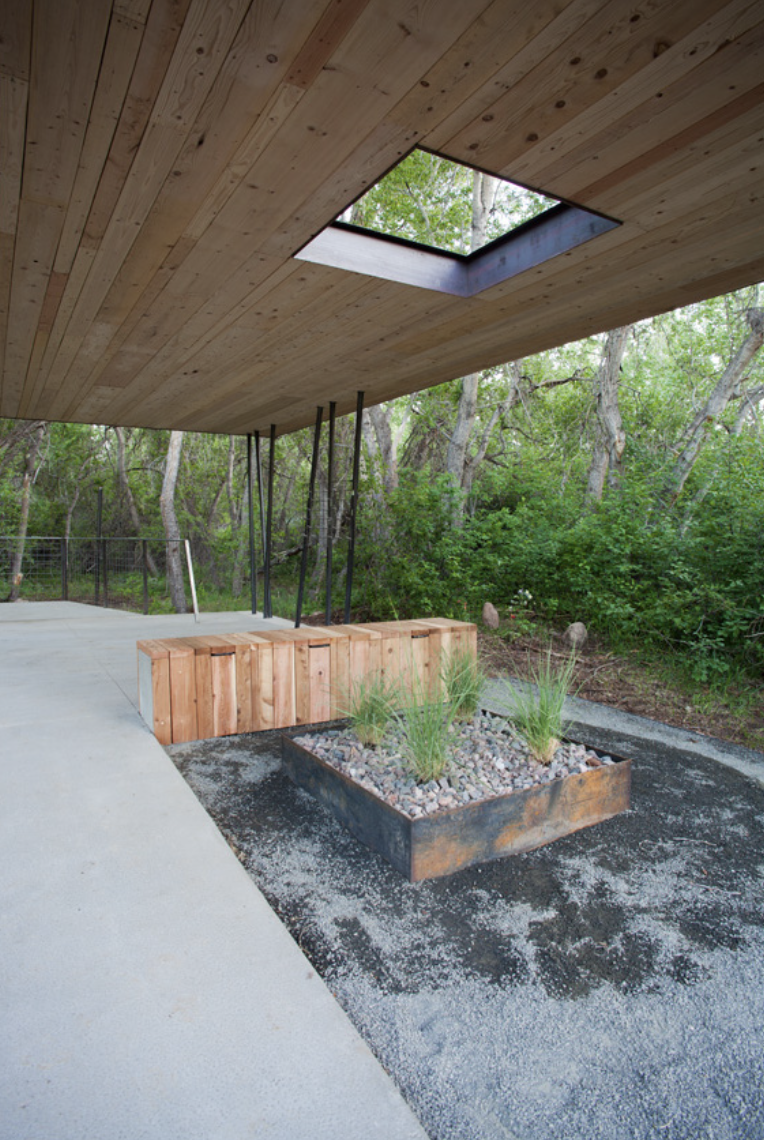
Set at the threshold of the Front Range, where the plains give way to the foothills, the pavilion in Waterton Canyon sits within a landscape defined by water, wildlife, and seasonal extremes. Carved by the South Platte River and edged by rugged canyon walls, the site is both a gateway for recreation and a living laboratory—home to bighorn sheep, migratory birds, and a rich riparian ecosystem. Within this context, the pavilion serves as an outdoor classroom for environmental groups engaged in bird banding, pond ecology, and habitat study, offering a place to observe, gather, and learn directly from the land.
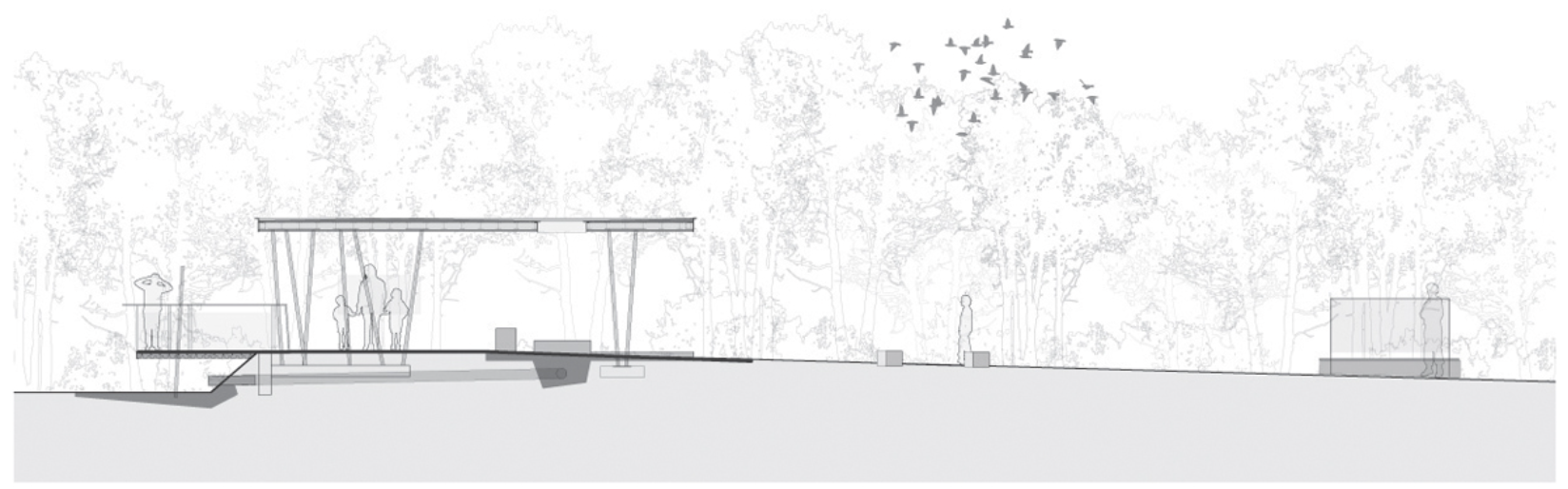
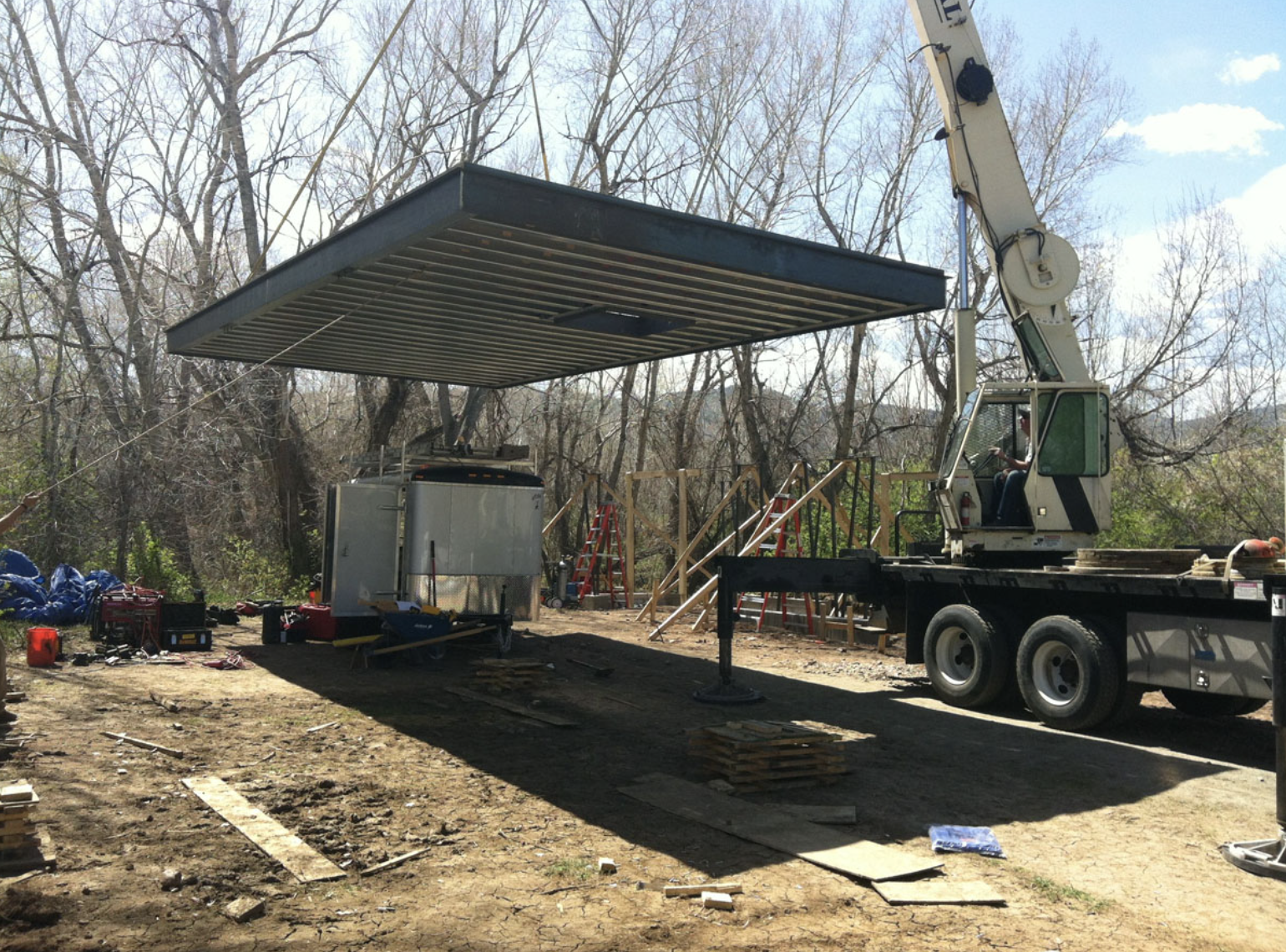
The structure emerges as a direct response to the realities of building within a floodplain, where conventional enclosure is not permitted. In place of walls, a field of tilted columns stabilizes the roof, their geometry carefully arranged to resist lateral forces while maintaining complete openness to the surrounding environment. This light-touch approach allows the landscape to flow uninterrupted beneath and through the structure, reinforcing its role as an extension of the canyon rather than an imposition upon it.
Moments of intention are embedded throughout. A small cantilevered platform at the rear marks the quiet ritual of releasing banded birds back into the wild—an architectural pause that frames both the act and the expansive sky beyond. Above, the roof is shaped to direct rainwater inward toward a central oculus, where it is gathered and allowed to filter naturally through layers of vegetation, soil, and stone before returning to the floodplain. In this way, the pavilion not only shelters human activity, but also participates in the ecological cycles it is meant to study.
Recognized with the 2013 AIA Colorado Young Architects Award Group Project of the Year, the pavilion stands as a modest yet precise intervention—one that embraces constraint, amplifies its setting, and quietly supports the ongoing dialogue between people and place.
Collaborative Past Projects
Experience Shaped by Range, Context, and Connection
Builder Collective’s design experience spans a wide spectrum, from intimate residential work to large-scale academic and multifamily projects. The architect’s experience is shaped through collaboration with established architecture firms. Across these varied contexts, the approach consistently prioritizes the creation of meaningful human experiences. This breadth of work informs a design perspective that balances technical execution with an integration of the larger context of the site and is informed by the ways people inhabit space.
When architecture is carefully composed, it creates sequences of perception—thresholds, alignments, changes in material, framed views—that anchor memory. A courtyard might be remembered not just as a space, but as a moment of stillness defined by sound and shadow. Good design can be felt. A living room might be remembered not just as a place to gather, but as an extension of the landscape—where doors recede, the felt texture of materials under hand, captured views that frame a subtle detail in the terrain, all combining to blur the line between interior comfort and the rhythms of the outdoors.
At its core, this philosophy recognizes that when architecture is grounded in human experience rather than purely formal or technical concerns, buildings transcend utility and begin to form lasting memories of place. Design decisions— the acoustics of circulation, the scale of an opening, or the transition between compressed and expansive spaces—shape how environments are perceived and remembered. Through the careful orchestration of thresholds, materials, and spatial sequences, thoughtful design creates moments that anchor memory and embed daily life within the built environment. This attentiveness to lived experience ultimately defines the design ethos of Builders Collective.
-
![]()
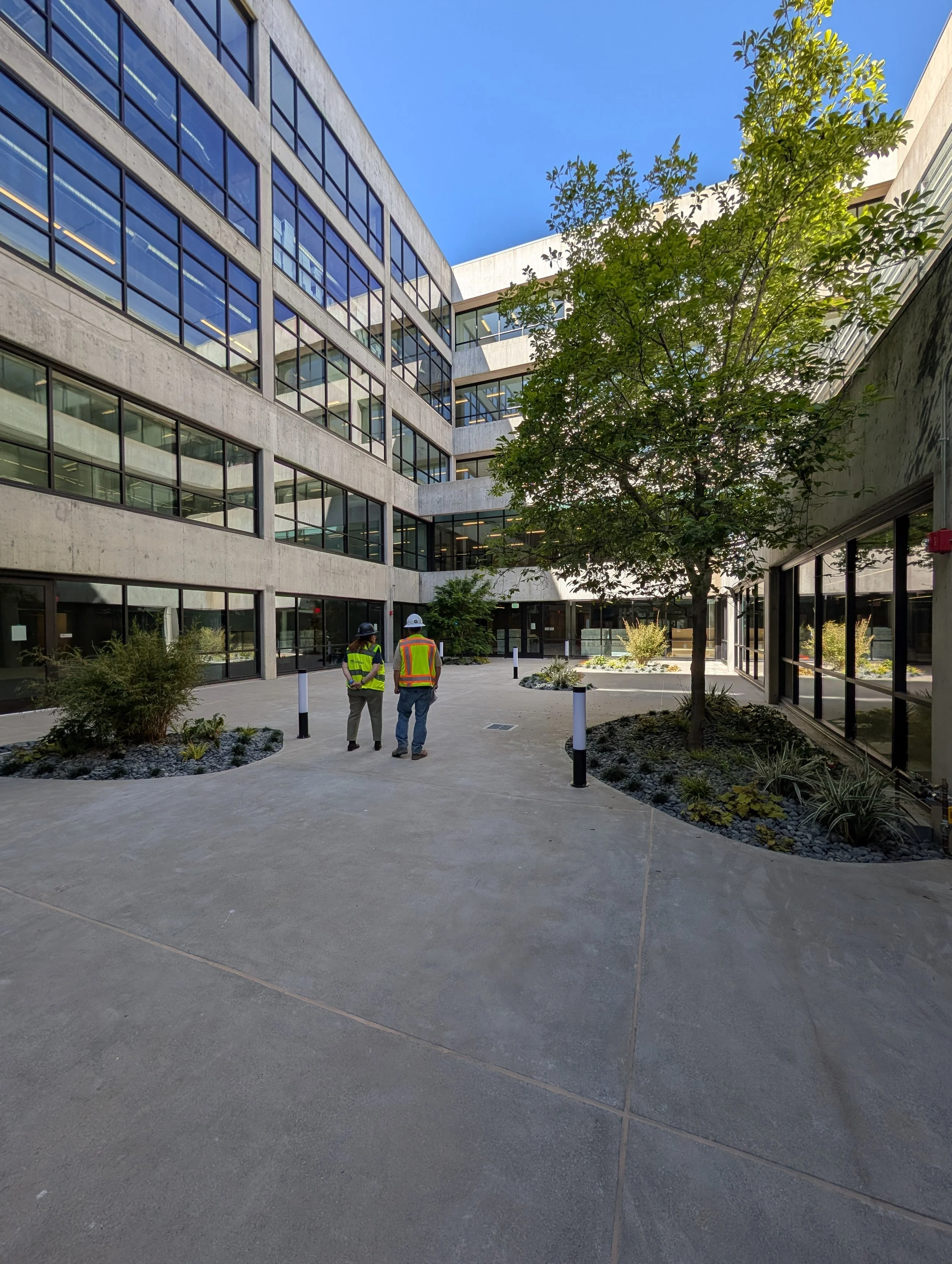
Kennedy Library at SLO
In collaboration with Miller Hull Partnership
The Kennedy Library at Cal Poly San Luis Obispo is a 200,000-square-foot Brutalist building completed in 1980. The modern renovation was completed in 2025 to better serve today’s students with an open floor plan and collaborative space. -
![]()
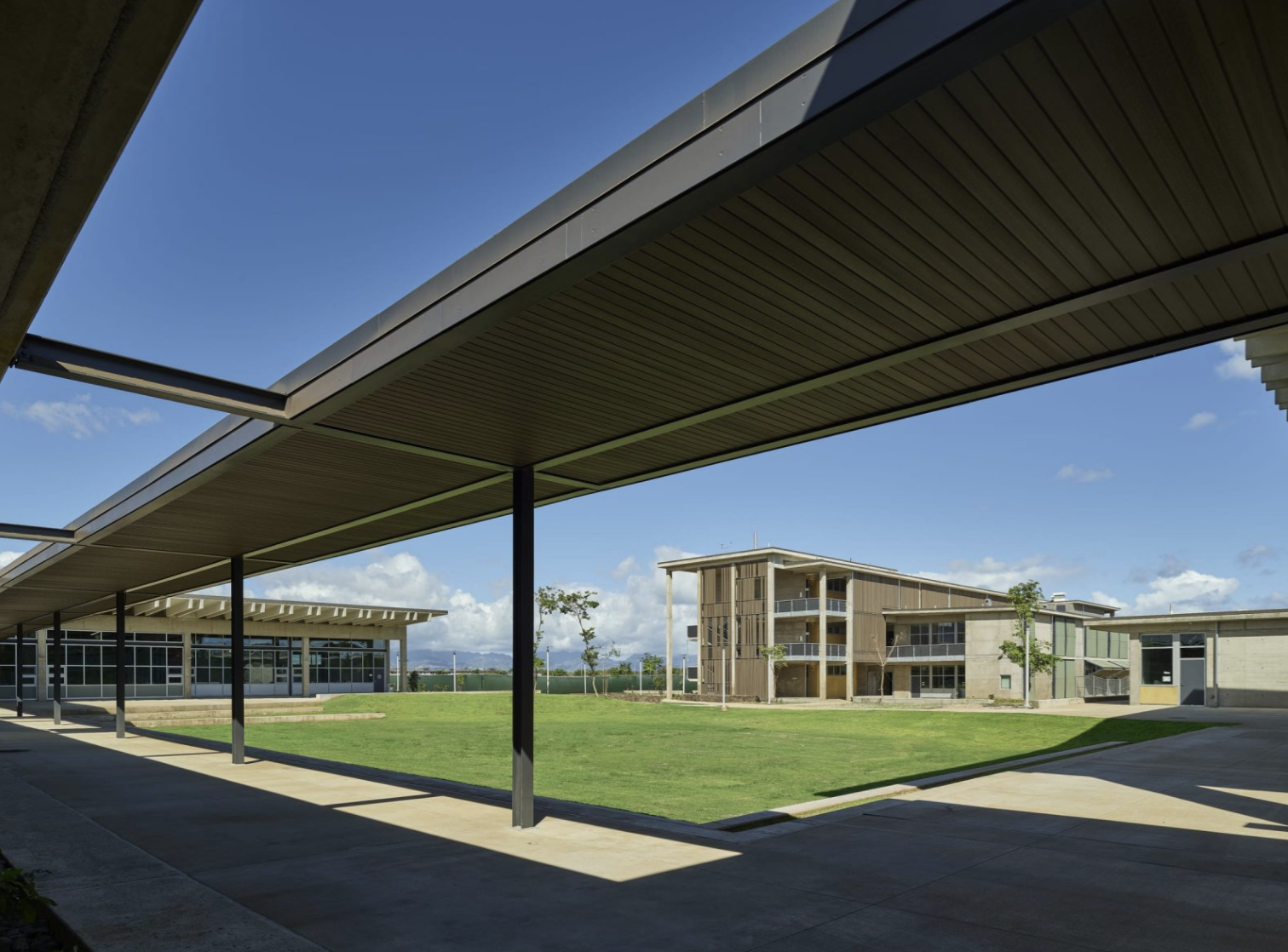
Honouliuli Middle School, Hawaii
In collaboration with Miller Hull Partnership
Completed in 2022, Honouliuli Middle School is an open campus shaped around a central outdoor commons. Designed with Ferrero Choi, a shaded arrival path draws students toward a single, welcoming “front door,” strengthening a shared sense of place and belonging.
-
![]()
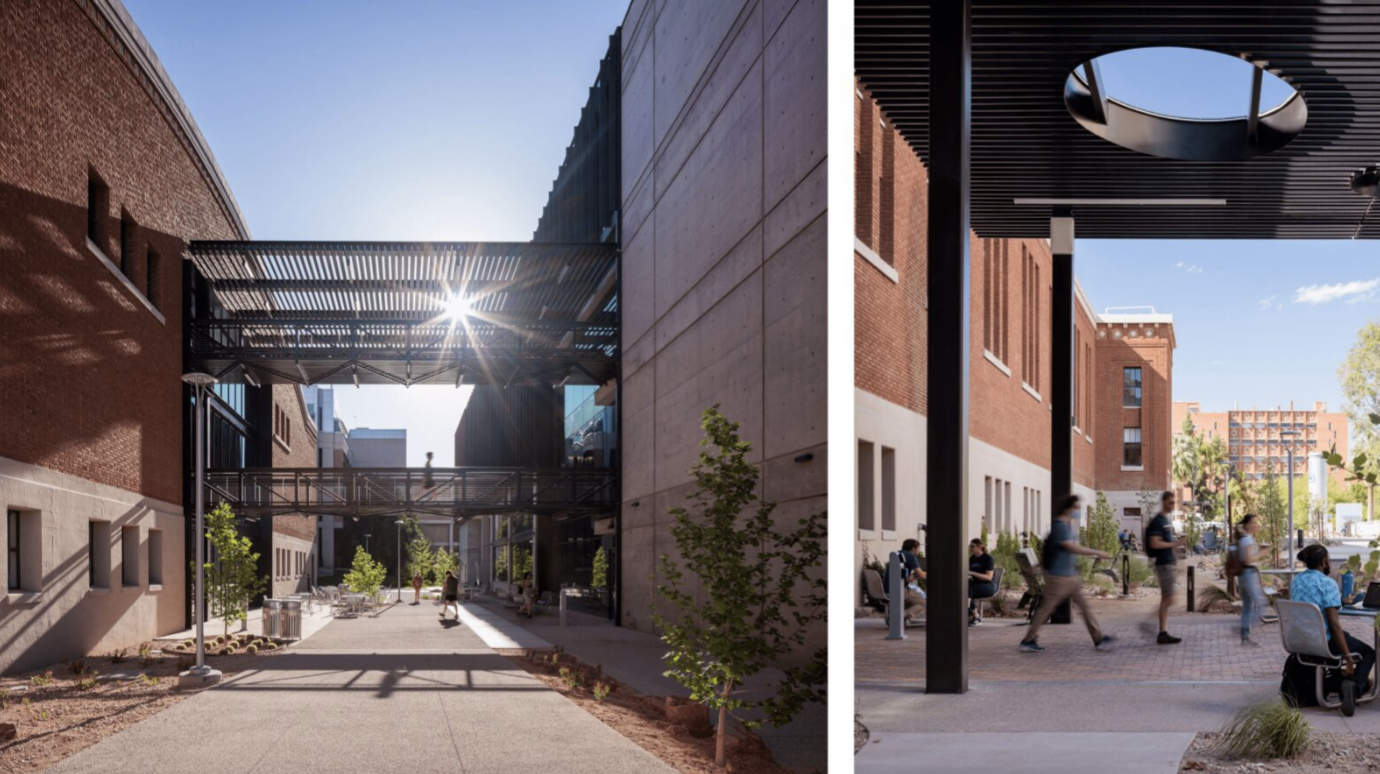
ASU
In collaboration with Miller Hull Partnership
The Student Success District unifies three existing buildings and adds a new building to create a cohesive activity-based campus. By opening previously inward-facing structures with new entries and connective paseos, the project stitches the buildings together to create a central hub focused on student wellbeing.
-
![]()
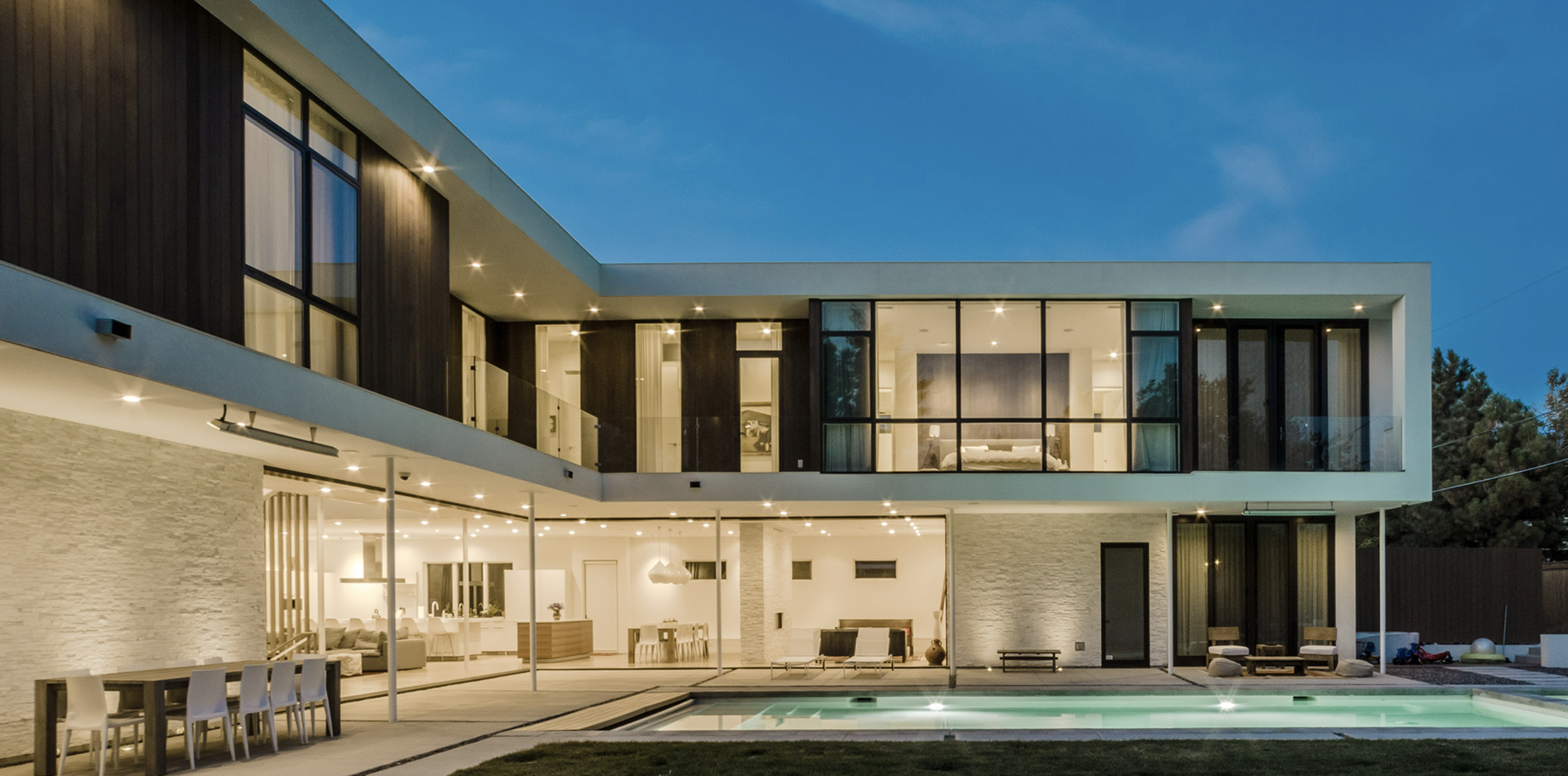
Private Residence
In collaboration with Christopher Herr Architects
The L-shaped house is organized as a deliberate backdrop to the backyard. This configuration creates a protected courtyard-like setting that becomes the heart of the home, well-suited for the client’s large family gatherings and entertaining. By embracing the site in two directions, the design balances openness and enclosure, allowing everyday living and social events to flow naturally between interior and exterior spaces.
-
![]()
Multifamily
In collaboration with Studio PBA
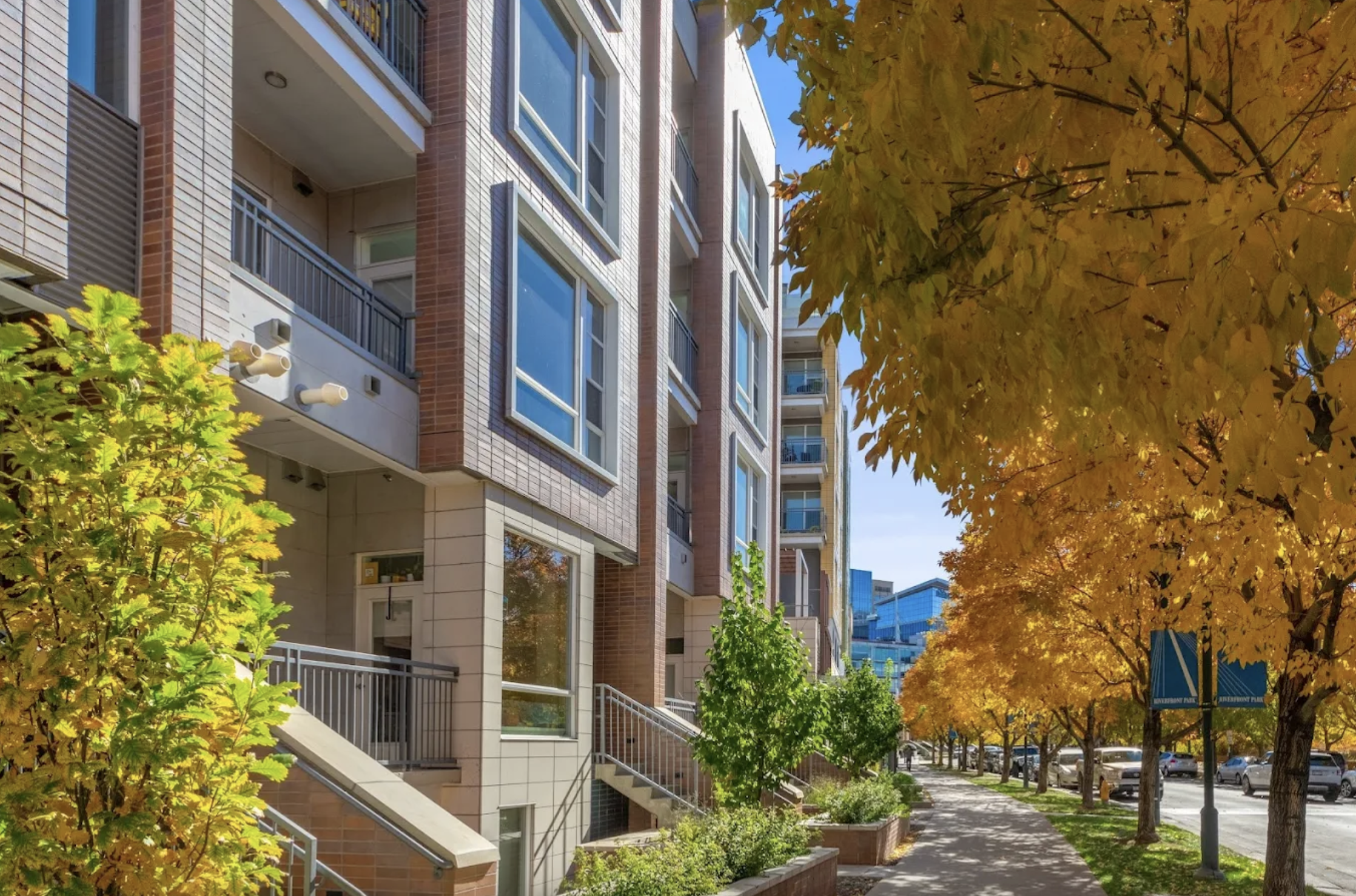
Spanning multiple projects of different use type from high-density affordable, urban infill, and transit-oriented developments. Worked on mixed-use projects in both high-rise urban contexts and low-rise suburban settings contributing to the residential feel of varied environments.
-
![]()
International Experience
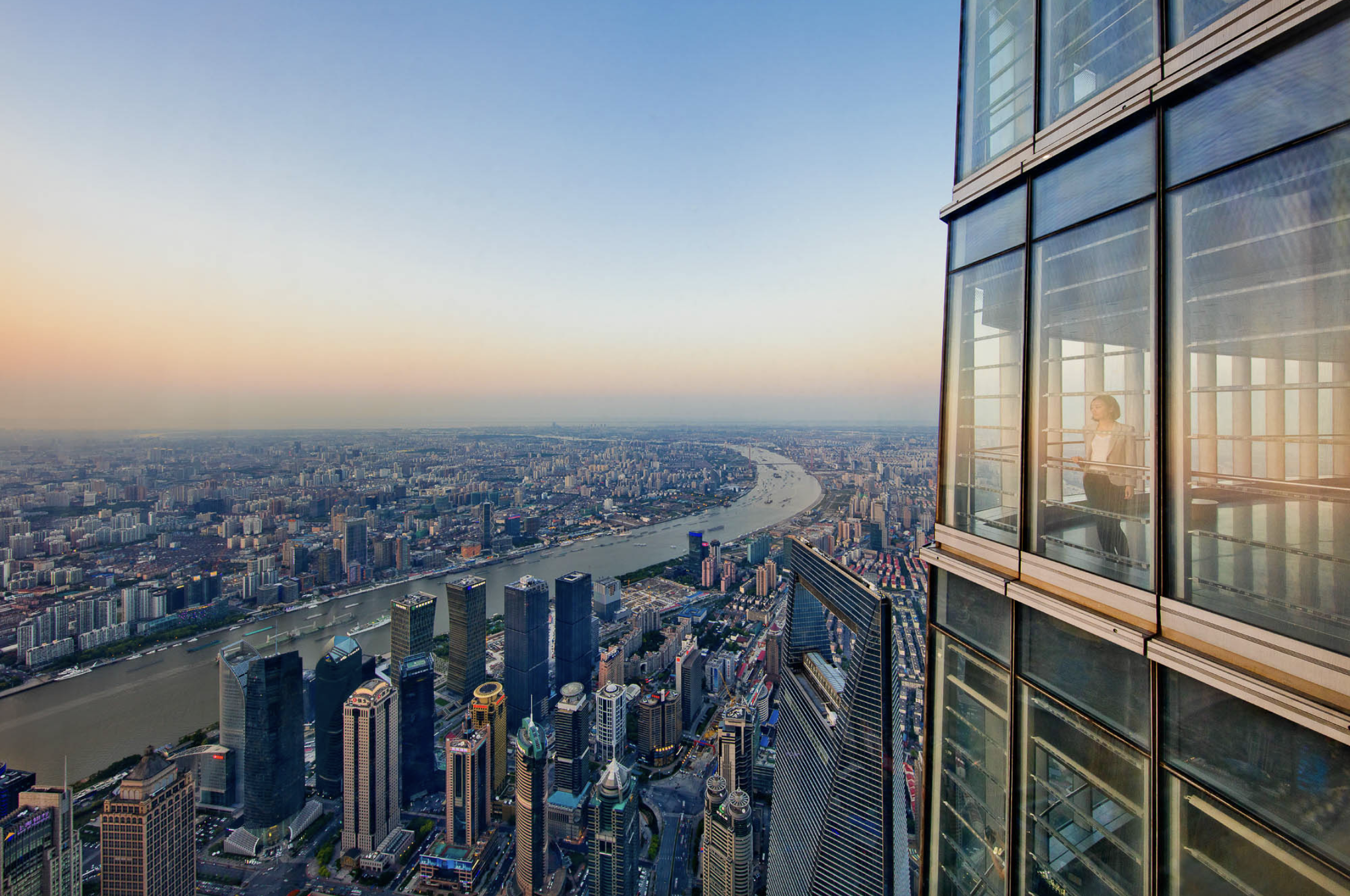
Awarded an internship with Gensler in Shanghai, China
Immersed in one of the world’s fastest-moving design environments, contributed to high-rise developments and complex urban schemes that far exceeded the scale typically available to students in the United States. This experience helped shape the architect’s understanding of global practice, rapid urban development, and cross-cultural design collaboration. -
![]()
Washington D.C.
In collaboration with Group Goetz Architects
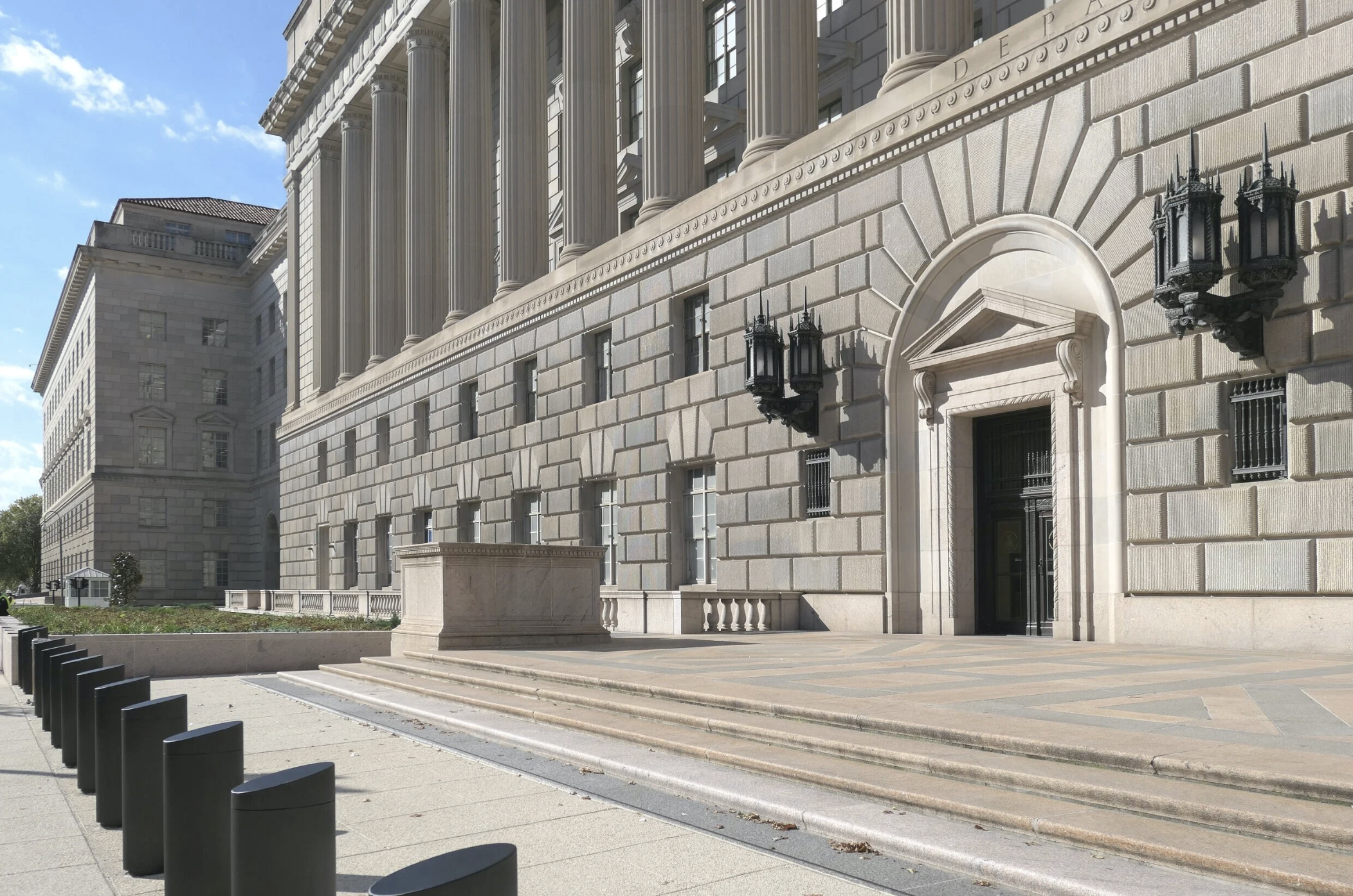
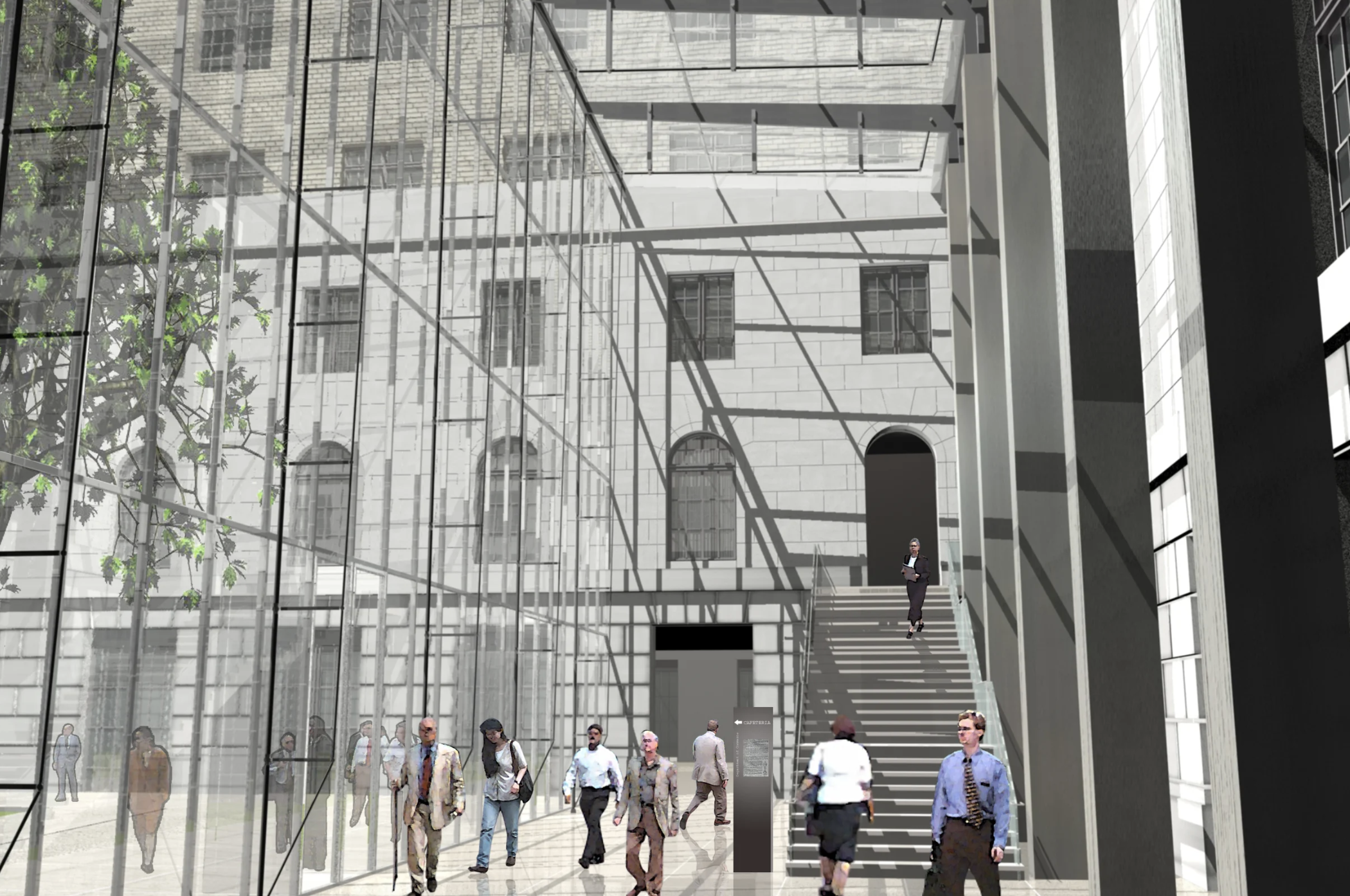
The Herbert C. Hoover Building represents one of the largest federal historic renovations in the United States, encompassing over one million square feet. The project involved upgraded building systems, modernizing workspaces, and the careful preservation of significant historic interiors. The effort balanced security, performance, and heritage within a highly complex federal landmark.